


El mejor corrector de postura 2026: Guía del comprador y recomendaciones principales
Si alguna vez te has sorprendido encorvado en tu escritorio, te has despertado con el cuello rígido después de un largo día de trabajo con el portátil, o te han dicho "ponte derecho" demasiadas veces, no estás solo. Pasar horas sentado, mirando el teléfono y trabajando con el ordenador hace que, silenciosamente, los hombros se redondeen hacia adelante, y la mayoría de la gente solo nota las molestias una vez que la postura ya se ha visto alterada. Un corrector de postura bien elegido es una de las herramientas más sencillas disponibles para empujar los hombros hacia atrás, fomentar la conciencia corporal y hacer que estar sentado o de pie durante el día sea menos agotador.
Pero no todos los correctores de postura cumplen la misma función. Algunos son correas de recordatorio suave que se llevan debajo de la camisa durante un par de horas cada vez; otros son soportes para toda la espalda que obligan a todo el tronco a mantener una mejor alineación. Elegir el estilo incorrecto para tu cuerpo o rutina puede significar acabar dejando de usar el soporte al cabo de una semana. Esta guía del comprador para 2026 explica qué hace realmente un corrector de postura, cuáles son los cinco tipos principales en el mercado y qué correctores de postura IYDoaMea merecen un lugar en tu rutina diaria este año.
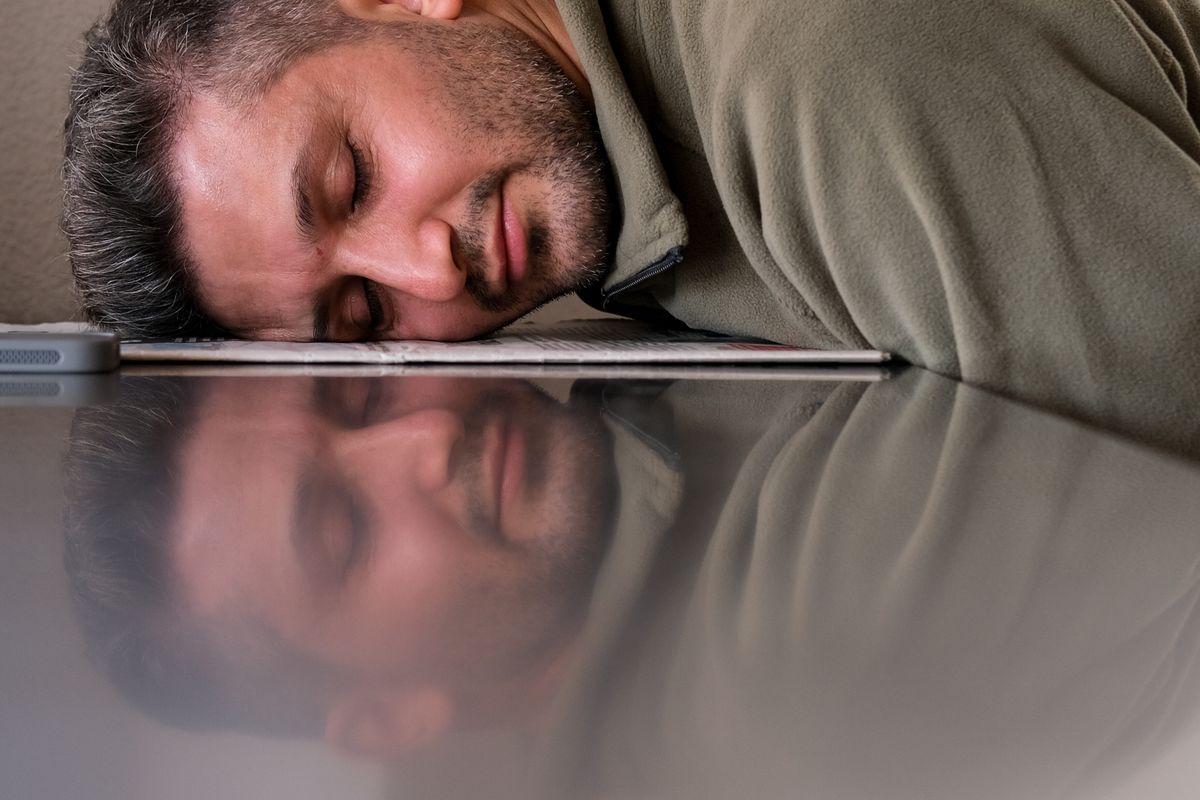
Qué hace realmente un corrector de postura (y qué no hace)
Un corrector de postura es un soporte portátil, generalmente una correa, arnés o soporte corto, diseñado para recordar a tus hombros y a la parte superior de tu espalda que deben estar en una posición más neutral. No reconstruye tu postura por sí solo. Ningún soporte puede hacerlo. Lo que sí puede hacer es proporcionar a tus músculos una señal física clara para que encorvarse resulte menos cómodo que sentarse erguido, lo que con el tiempo te ayuda a crear la memoria muscular necesaria para mantener una mejor alineación sin usarlo.
La mayoría de los correctores de postura de calidad comparten tres funciones: empujan suavemente los hombros hacia atrás para abrir el pecho, indican a tu cuello que debe situarse sobre los hombros en lugar de inclinarse hacia adelante, y apoyan los músculos de la parte superior de la espalda que se cansan de mantenerte erguido durante todo el día. El resultado suele ser una menor tensión al final del día en el cuello y entre los omóplatos, una respiración más fácil y una postura con un aspecto más seguro.
Lo que un corrector no hace es sustituir el ejercicio, los hábitos ergonómicos o corregir problemas estructurales por sí solo. Si tienes molestias agudas o que se irradian, el siguiente paso correcto es hablar con un profesional clínico cualificado. Un corrector funciona mejor como una parte de una rutina más amplia que también incluya descansos para moverse, ejercicios de fortalecimiento sencillos y un espacio de trabajo que te permita sentarte en una posición neutral.
Los 5 tipos principales de correctores de postura que verás en 2026
Antes de comparar precios o revisar funciones, es útil saber qué categoría se ajusta a tu situación. La mayoría de los productos del mercado encajan en uno de estos cinco estilos, y cada uno está diseñado para un tipo de usuario diferente.
1. Correctores de correa para clavícula
Este es el estilo minimalista clásico: una correa fina en forma de ocho que se coloca sobre los hombros y se cruza en la espalda. Es ligero, queda plano debajo de una camisa y ejerce un suave tirón que te recuerda que debes echar los hombros hacia atrás. Las correas para clavícula son ideales para trabajadores de escritorio con una ligera tendencia a encorvarse y para cualquiera que desee una opción discreta que pueda usar en la oficina. El inconveniente es que ofrecen muy poco soporte para la parte baja o media de la espalda, por lo que no son la mejor opción para quienes necesitan estructura en toda la parte superior de la espalda.
2. Correctores de soporte para la parte superior de la espalda
Un soporte para la parte superior de la espalda es un arnés más ancho que envuelve los hombros y la zona media de la espalda. La cobertura adicional lo hace notablemente más resistente que una simple correa, especialmente si tus hombros tienden a rodar hacia adelante de forma marcada o si sientes una banda de tensión entre los omóplatos. Si trabajas frente a un escritorio durante ocho o más horas al día, un soporte para la parte superior de la espalda como el Soporte Corrector de Postura Ajustable suele ofrecer el mejor equilibrio entre soporte y comodidad de uso.
3. Combinaciones de soporte completo para la espalda y hombros
Se trata de soportes más grandes que combinan la tracción de los hombros con un cinturón lumbar para la parte baja de la espalda. Ofrecen la mayor cobertura y estructura de todas las categorías, lo que los convierte en una buena opción para personas que pasan todo el día de pie, realizan levantamiento de peso o quieren un único soporte que ayude tanto a la parte superior como a la inferior de la espalda. La desventaja es el volumen; son más difíciles de ocultar bajo ropa ajustada y suelen reservarse para el trabajo, el gimnasio o el uso en casa, en lugar de para llevarlos todo el día en la oficina.
4. Entrenadores con sensores inteligentes
Los entrenadores inteligentes son pequeños dispositivos electrónicos que se pegan a la parte superior de la espalda o se enganchan a un collar y vibran cuando detectan que te has encorvado. Desarrollan la conciencia postural mediante retroalimentación en lugar de tracción física, algo que algunas personas encuentran más cómodo de llevar que una correa. El inconveniente es que requieren carga, a menudo se vinculan a una aplicación móvil y cuestan considerablemente más que un soporte pasivo. Para quienes buscan una opción discreta y sin correas, pueden funcionar; para el resto, un soporte sencillo proporciona casi los mismos beneficios por menos dinero.
5. Prendas correctoras de postura
Las funciones de corrección de postura integradas en camisetas, sujetadores y camisetas interiores son cada vez más comunes. Ofrecen una sensación de "ponértelo y olvidarte" porque no hay nada que ajustar. Las prendas correctoras de postura generalmente ofrecen un soporte menos focalizado que un soporte dedicado y dependen de la tensión del tejido para realizar su trabajo. Son un buen complemento para alguien que ya tiene una buena conciencia corporal y solo desea un pequeño recordatorio diario, pero generalmente no son suficientes por sí solas para alguien con una tendencia significativa a encorvarse.
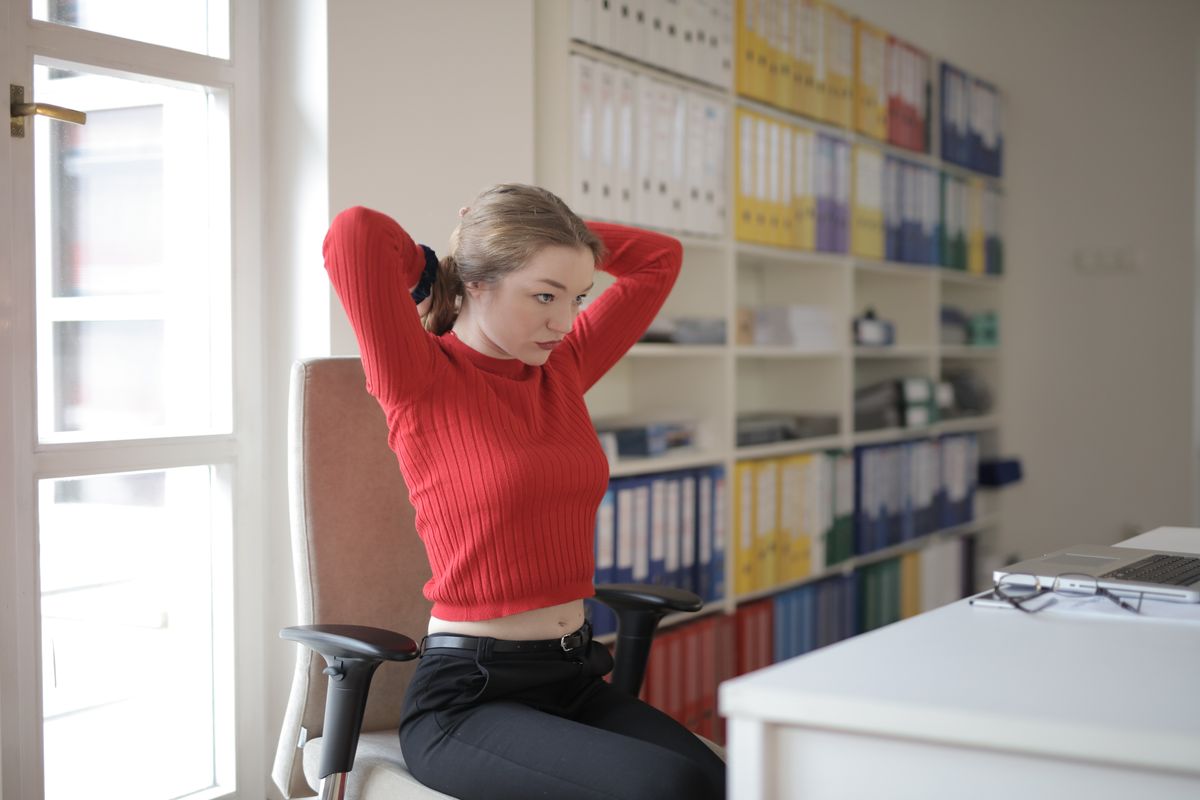
Cómo elegir el mejor corrector de postura: 6 criterios de compra
Una vez que hayas limitado el tipo, el resto depende del ajuste, la comodidad y cómo encajará en tu día a día. Estos son los seis criterios que más importan al comparar opciones en 2026.
1. Capacidad de ajuste. Busca múltiples puntos de ajuste, idealmente tanto en las correas de los hombros como en las del torso, para que puedas ajustar la tensión a medida que tus músculos se adapten. Un corrector demasiado apretado se clavará y acabarás dejándolo de usar al cabo de una semana; si está demasiado suelto, no servirá de nada. Las correas que se deslizan a través de hebillas suelen mantener mejor su configuración a largo plazo que los diseños de velcro solamente.
2. Material transpirable. Cualquier cosa que lleves sobre la piel durante horas seguidas debe gestionar el sudor. Los paneles de malla, el tejido que absorbe la humedad y la espuma perforada en la zona de las axilas ayudan mucho. Si sueles pasar calor, prioriza las estructuras transpirables frente al neopreno pesado, que atrapa el calor rápidamente.
3. Tiempo de uso que se ajuste a tu día. Decide de antemano cuándo lo vas a usar realmente. Un soporte completo para la espalda más voluminoso es adecuado para la oficina en casa o el trayecto, pero es la elección incorrecta si necesitas algo invisible bajo una camisa de trabajo entallada. Una correa discreta es lo contrario: fácil de ocultar, pero no te dará mucho soporte en la parte media de la espalda si tus hombros se redondean de forma agresiva.
4. Rango de tallas y guía de ajuste. Comprueba siempre la tabla de tallas de la marca comparándola con las medidas de tu pecho y torso en lugar de adivinar basándote en "pequeño / mediano / grande". Un corrector con una talla incorrecta se moverá, se clavará en las axilas o quedará demasiado bajo para cumplir su función. La mayoría de las buenas marcas publican tanto una tabla de tallas basada en medidas como un vídeo de ajuste.
5. Calidad de construcción y garantía. Las costuras, las hebillas y los bordes son las partes que fallan primero en los correctores baratos. Las costuras reforzadas alrededor de los puntos de ajuste y una garantía de al menos 90 días son una base razonable. Las piezas reemplazables, como almohadillas adicionales o correas de extensión, son una buena señal de que la marca espera que el producto dure.
6. Marketing honesto. Aléjate de cualquier corrector que prometa "arreglar" tu postura, afirme tener aprobaciones o se comercialice como un cuidado de grado médico. Los correctores de postura son herramientas de soporte, no terapias, y las marcas que lo entienden suelen fabricar mejores productos. Explora los soportes de espalda IYDoaMea si buscas un punto de partida con un lenguaje directo enfocado en el soporte y una guía de tallas clara.
¿Cuánto tiempo deberías usar un corrector de postura?
Uno de los errores más comunes es usar un corrector todo el día desde el primer momento. Los músculos de la parte superior de la espalda, el cuello y el pecho necesitan tiempo para adaptarse, y empezar con un horario intensivo suele provocar dolor, frustración y que el soporte termine en un cajón.
La mayoría de los fisioterapeutas y especialistas en postura sugieren un aumento gradual. Empieza con 20 a 30 minutos al día durante una tarea específica, como trabajar en tu escritorio, y aumenta 10 a 15 minutos cada pocos días siempre que te sientas cómodo. Entre dos y cuatro horas al día es un objetivo razonable a largo plazo para la mayoría de las personas. Por lo general, no se recomienda usar un corrector mientras duermes porque tu cuerpo necesita moverse libremente por la noche, y el uso excesivo puede hacer que tus músculos de soporte se vuelvan perezosos en lugar de más fuertes.
Los mejores resultados se obtienen combinando el uso del soporte con trabajo activo. Realiza algunas retracciones de hombros y estiramientos de cuello mientras lo llevas puesto, y quítatelo para dar un paseo rápido o estirar cada hora. El soporte es una herramienta de entrenamiento; el ejercicio es lo que realmente hace que el cambio perdure. Un complemento útil es realizar ejercicios suaves para la parte inferior de las piernas y el core los días que tengas tiempo, lo cual apoya la alineación general desde la base.
Las opciones de corrector de postura IYDoaMea que merece la pena considerar
Si estás comprando en la colección de correctores de postura IYDoaMea, así es como se comparan los dos modelos principales con el perfil típico del comprador.
Corrector de Postura Ajustable (Hombre y Mujer) — $33.99. Este es el modelo de trabajo intenso. Utiliza correas acolchadas para los hombros con hebillas ajustables, un respaldo transpirable y un ajuste unisex que funciona para tallas de pecho de aproximadamente 28" a 44". Es la elección correcta si te sientas a un escritorio durante muchas horas, quieres un soporte discreto que puedas usar bajo una camisa y necesitas un punto de partida cómodo para el uso diario. Para un aspecto más discreto, el Soporte Corrector de Postura Ajustable en negro ofrece un ajuste similar con un perfil ligeramente más fino bajo la ropa. Si además sufres tensión en el cuello y los hombros por el tiempo frente a la pantalla, el Soporte para Hombros y Manguito Rotador es un complemento útil para los días de mayor estrés.
Soporte Corrector de Postura Ajustable (negro) — $30.99. Ligeramente más minimalista que el modelo unisex, esta es la mejor opción si deseas un soporte que desaparezca bajo una prenda ajustada, planeas usarlo durante sesiones cortas a medias y prefieres un sistema de correas más sencillo. También es un buen segundo soporte para tener en un escritorio diferente o en una bolsa de gimnasio.
Para aquellos compradores cuyas molestias se centran más en la zona baja de la espalda que en la superior, el Soporte Lumbar Ajustable y el Soporte para la Parte Inferior de la Espalda merecen una mirada como complementos en lugar de sustitutos. Abordan la alineación lumbar, que a menudo es un problema separado del redondeo de hombros, y se combinan bien con un corrector de espalda superior para personas que pasan todo el día sentadas y también lidian con rigidez en la parte baja de la columna. Si estás explorando tu primer soporte y quieres una vista comparativa, la página principal del producto Corrector de Postura Ajustable (Hombre y Mujer) detalla la tabla de tallas y las notas de ajuste, y la colección más amplia de soportes para hombros es el lugar correcto para comparar opciones para la parte superior del cuerpo.
Cómo sacar el máximo partido a tu corrector de postura
Un corrector solo ayuda si lo usas bien. Unos pocos hábitos marcan una diferencia notable en la rapidez con la que sientes el beneficio y en la duración del soporte.
Comienza con una sesión de prueba frente al espejo para que puedas ver los cambios en la alineación. Aprieta las correas hasta que sientas un tirón claro pero no incómodo en los hombros; luego, da unos pasos y siéntate unos minutos para confirmar que el soporte permanece en su lugar. Si se mueve o se clava, redistribuye la tensión de la correa en lugar de apretar demasiado un solo punto.
Combina el tiempo de uso del soporte con el tiempo de las tareas. Úsalo cuando realices actividades que normalmente te hacen encorvarte, como trabajar con el ordenador, mirar el teléfono o reuniones largas, y quítatelo para actividades de mucho movimiento o ejercicio. El punto es dar a tu cuerpo soporte adicional cuando tus hábitos tienden a fallar, no usarlo tanto que tus músculos dejen de hacer su propio trabajo.
Mantén el soporte limpio y seco. La mayoría de los correctores de tela se pueden lavar a mano con jabón suave y dejar secar extendidos. Evita el secado a máquina, que deforma las hebillas y degrada el elástico más rápido. Si sudas mucho, alterna entre dos soportes para tener siempre uno seco listo.
Para compradores que también sufren rigidez en rodillas o tobillos por estar mucho tiempo de pie, la Manga de Compresión de Rodilla con Iones de Cobre y el Soporte de Tobillo con Cobre son buenos complementos para completar un kit de soporte diario. Y si estás configurando un equipo para mayor comodidad en días largos, las Plantillas de Soporte de Arco Alto mantienen tu base firme, lo que facilita el mantenimiento de la alineación de la parte superior del cuerpo. Explora la colección completa de soportes IYDoaMea para ver la lista completa.
Dónde encaja un corrector de postura en una rutina diaria saludable
El mayor error que comete la gente con los correctores de postura es considerarlos como una solución única y completa. Un soporte funciona mejor como uno de los tres o cuatro hábitos combinados. Descansos para moverse cada 45 a 60 minutos, dos o tres estiramientos breves de hombros y cuello al día, un espacio de trabajo que te permita sentarte a una altura neutral y un soporte usado durante tus horas de mayor riesgo son mucho más efectivos que cualquiera de esas cosas por sí sola.
Si te comprometes con la rutina, el cambio suele ser visible en un plazo de tres a seis semanas. Los hombros se sienten más fáciles de mantener erguidos, la tensión del cuello al final del día disminuye, la respiración se siente menos restringida y estar de pie en la cola del supermercado ya no parece una tarea pesada. El soporte desaparece en segundo plano y el nuevo hábito toma el relevo. Ese es el momento en que el corrector de postura ha hecho su trabajo, y puedes empezar a usarlo cada vez menos.
Preguntas frecuentes
¿Cuántas horas al día debería usar un corrector de postura?
Empieza con 20 a 30 minutos al día y aumenta gradualmente a medida que tus músculos se adapten. La mayoría de las personas se adaptan bien con dos a cuatro horas de uso diario, enfocadas en las actividades que les llevan a encorvarse. Evita usar un corrector mientras duermes.
¿Puede un corrector de postura arreglar mi postura permanentemente?
Un corrector es una herramienta de entrenamiento, no una solución permanente. Te ayuda a construir la memoria muscular para sentarte y estar de pie en una mejor alineación, pero el cambio duradero proviene de combinar el tiempo de uso del soporte con ejercicios de fortalecimiento y hábitos ergonómicos.
¿Es seguro usar correctores de postura en un escritorio todo el día?
La mayoría de los adultos sanos pueden usar con seguridad un corrector bien ajustado durante varias horas en un escritorio, siempre que las correas estén ajustadas para que el soporte sea firme pero no restrictivo. Deja de usarlo y consulta a un médico si sientes entumecimiento, molestias agudas o dificultad para respirar.
¿Cuál es la diferencia entre un corrector de postura y un soporte de espalda?
Un corrector de postura se enfoca en la parte superior de la espalda y los hombros, usando correas para tirar de los hombros hacia atrás y abrir el pecho. Un soporte de espalda es más amplio, a menudo cubriendo la parte media e inferior de la espalda para soporte lumbar. Muchas personas se benefician de usar ambos para diferentes momentos del día.
¿Cómo elijo la talla correcta de corrector de postura?
Mide tu pecho y torso y compáralos con la tabla de tallas de la marca en lugar de adivinar basándote en S/M/L. Un corrector con la talla adecuada debe sentirse ajustado sin clavarse, permanecer en su lugar cuando te mueves y permitirte respirar profundamente sin restricciones.