


Levantamiento de pesas y soporte lumbar: lo que debe saber
Los levantamientos compuestos pesados como las sentadillas, el peso muerto, el remo y el press militar exigen mucho esfuerzo a la zona lumbar. Incluso con una técnica impecable, la columna lumbar absorbe fuerza de compresión en cada repetición con carga. Es por eso que muchos levantadores añaden un soporte lumbar para levantamiento de pesas a su bolsa de gimnasio; no como un atajo, sino como una herramienta que les ayuda a mantenerse conscientes, estables y seguros bajo la barra.
El soporte lumbar no sustituye una técnica adecuada, la fuerza central (core) ni el entrenamiento. Un soporte lumbar ajustable bien ajustado simplemente añade una capa externa de compresión y retroalimentación, lo que puede ayudarte a mantener una mejor postura durante series exigentes. En esta guía, explicaremos cómo funciona el soporte lumbar durante el entrenamiento, cuándo usarlo y cómo elegir la opción correcta de nuestra colección de fajas lumbares.
Por qué tu zona lumbar soporta la carga
Tu columna vertebral está diseñada para gestionar el movimiento, pero el trabajo con barra cargada multiplica el estrés en la región lumbar. Durante una sentadilla pesada, el peso descansa sobre la parte superior de la espalda y viaja a través de la columna vertebral. Durante el peso muerto, la zona lumbar trabaja intensamente para mantener el torso rígido mientras las caderas impulsan la barra hacia arriba. El press militar añade compresión vertical a través de toda la cadena cinética, desde los pies hasta los hombros.
Tus músculos centrales actúan como la primera línea de soporte. Cuando se activan correctamente, crean una presión intraabdominal que estabiliza la columna desde adentro hacia afuera. Sin embargo, la fatiga, el volumen de entrenamiento elevado y las sesiones largas pueden hacer más difícil mantener esa activación natural. Ahí es donde el soporte externo resulta útil. Un soporte lumbar ajustable envuelve la sección media y le da a tu cuerpo una señal táctil para mantenerse firme y alineado durante cada levantamiento.
Cómo funciona el soporte lumbar durante los levantamientos
El soporte lumbar para levantamiento de pesas funciona de tres formas prácticas: compresión, propiocepción y calor.
La compresión limita el movimiento excesivo alrededor del área lumbar. La presión suave y uniforme de un cinturón de soporte puede ayudarte a sentirte más compacto durante las series pesadas. No te hace invencible, pero puede reducir los pequeños balanceos y desplazamientos que aparecen cuando surge la fatiga.
La propiocepción es el sentido que tiene tu cuerpo sobre su posición en el espacio. Cuando la faja contacta con tu torso, envía información a tu cerebro sobre la posición de la columna. Muchos levantadores afirman que usar una faja les recuerda mantener el core activado y la zona lumbar en posición neutral.
El calor puede parecer algo menor, pero mantener la zona lumbar caliente ayuda a que los tejidos se mantengan flexibles entre series. Los músculos fríos y rígidos son más propensos a sentirse tensos y poco reactivos. Un soporte lumbar de cobre transpirable puede ayudar a mantener el calor sin convertir tu sesión de gimnasio en un baño de sudor.
Cómo elegir la faja lumbar adecuada para tu entrenamiento
No todas las fajas lumbares son adecuadas para el gimnasio. La mejor elección depende de tu tipo de cuerpo, los levantamientos que realizas y cuánta capacidad de ajuste necesitas.
- El ajuste es lo primero. La faja debe quedar ceñida alrededor de la zona lumbar y la sección media sin restringir tu respiración. Debes ser capaz de activar tu core contra ella y respirar profundamente.
- La capacidad de ajuste importa. Las correas de velcro te permiten ajustar la tensión entre el calentamiento y las series de trabajo. Nuestro soporte lumbar ergonómico está diseñado con cierres de fácil ajuste para cambios rápidos en el gimnasio.
- Nivel de soporte. Si levantas pesos pesados y buscas una respuesta firme, busca una faja con varillas de soporte y un panel lumbar ancho. Si prefieres un soporte más ligero para ejercicios accesorios, una opción tipo envoltura más suave puede ser suficiente.
- Transpirabilidad. Los paneles de malla y los tejidos que absorben la humedad marcan una gran diferencia durante las sesiones de alto volumen. Una faja sudorosa es incómoda y distrae.
Ofrecemos varios estilos en nuestra colección de fajas lumbares, incluyendo la faja para soporte lumbar, la faja para soporte lumbar y ciática y el soporte lumbar ajustable. Cada uno está diseñado para el soporte diario y puede usarse durante el entrenamiento, tareas domésticas o turnos largos de pie.
Ejercicios que exigen mayor conciencia lumbar
Algunos movimientos ejercen más presión sobre la zona lumbar que otros. Usar una faja durante estos levantamientos puede ayudarte a mantener la atención en tu postura.
Sentadillas con barra: Cargan la columna verticalmente. Un cinturón te da algo contra lo cual empujar con el abdomen, lo que puede ayudarte a mantener un torso erguido al subir desde la posición más baja.
Peso muerto: Crea fuerzas de corte y compresión elevadas en la zona lumbar. Un cinturón de soporte lumbar puede servir como un recordatorio físico para mantener la espalda plana y cargar las caderas.
Remo inclinado: Requiere mantener una posición de bisagra de cadera durante muchas repeticiones. Sin conciencia, la zona lumbar se curva y los hombros caen hacia adelante. Una faja ayuda a indicarte que mantengas la columna alargada.
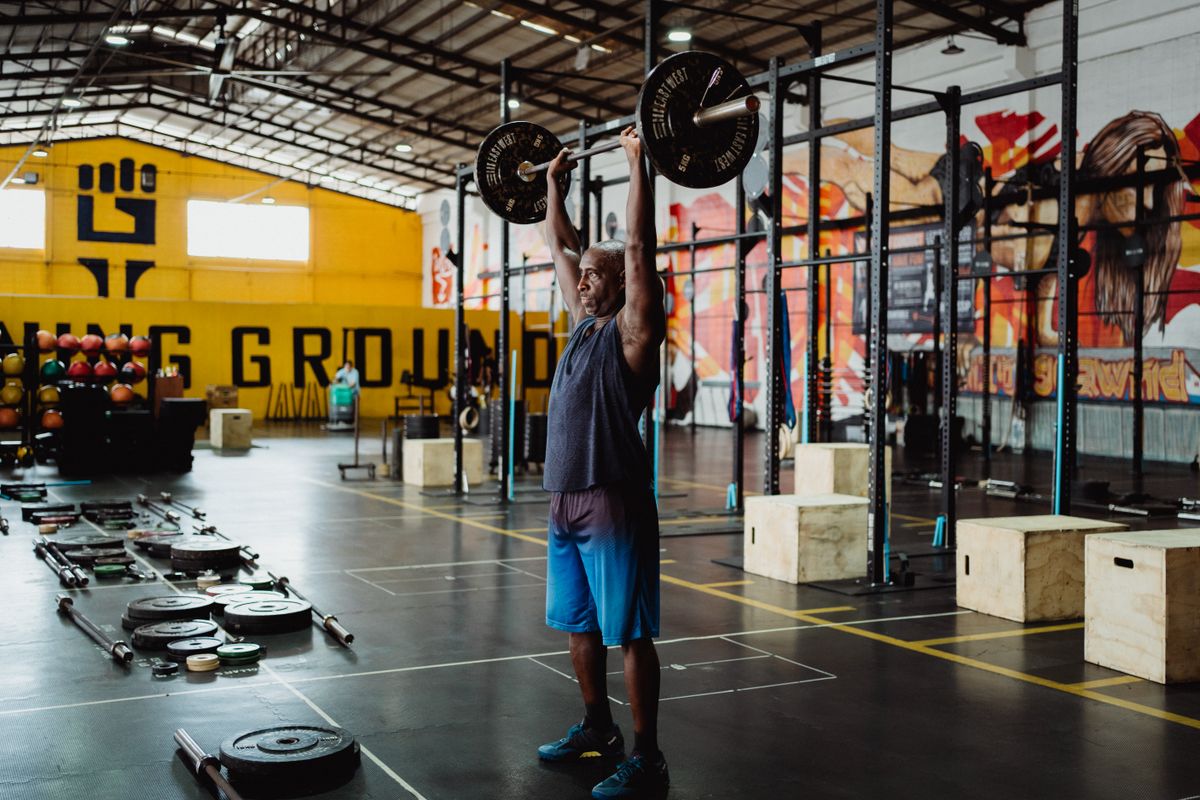
Press militar: Envía la fuerza directamente a través de la columna vertebral. Activa tu core, presiona la barra en línea recta y confía en tu cinturón de soporte solo como una ayuda secundaria.
Señales de que tu zona lumbar podría necesitar apoyo adicional
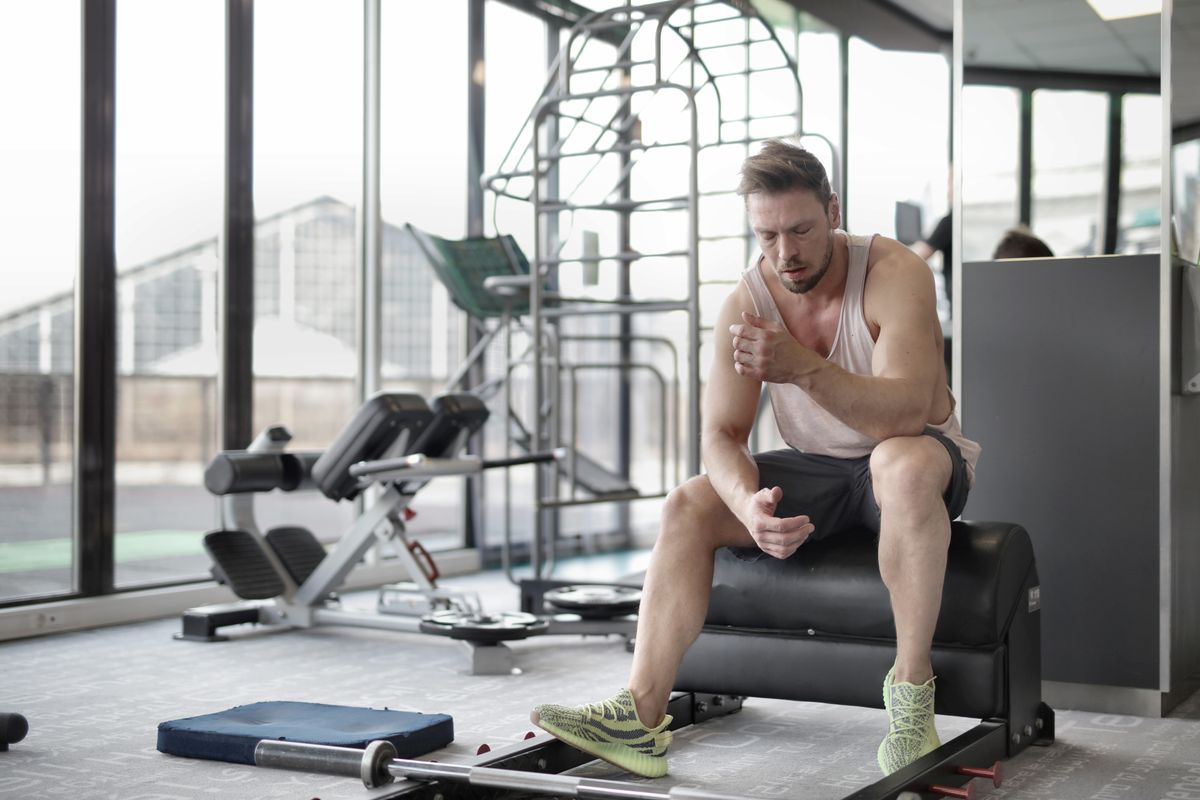
No todo levantador necesita un cinturón, y no todos los entrenamientos lo requieren. Sin embargo, hay señales claras de que tu espalda baja podría beneficiarse de un soporte añadido. Si notas que tu zona lumbar se fatiga antes que el resto de tu cuerpo, que tu torso se curva en las últimas series o que sientes rigidez al levantarte después de una sesión, un cinturón de soporte puede ayudarte a mantenerte consciente de tu posición.
Algunos levantadores usan un cinturón de soporte lumbar durante bloques de entrenamiento pico o semanas de alto volumen cuando la fatiga general es mayor. Otros solo lo sacan en días de esfuerzo máximo. No existe una regla universal, pero si notas que compensas con una mala postura para terminar un levantamiento, el soporte externo puede actuar como una ayuda temporal mientras abordas la causa raíz mediante movilidad y trabajo de core.
No dejes que la faja sustituya la fuerza del core
Una faja lumbar es una ayuda para el entrenamiento, no un sustituto del entrenamiento de core. Si la usas para cada calentamiento, cada serie y cada ejercicio, tu cuerpo puede empezar a depender del soporte externo en lugar de desarrollar su propia estabilidad. Eso puede hacerte más débil con el tiempo.
Guarda tu cinturón para tus series de trabajo más pesadas o para movimientos en los que notes que tu técnica se degrada. Usa ejercicios accesorios para desarrollar los músculos que protegen naturalmente tu columna:
- Planchas y planchas laterales: Enseñan a tu core a resistir la extensión y rotación.
- Dead bugs (bicho muerto): Te entrenan para mantener la zona lumbar plana mientras mueves tus extremidades.
- Paseo del granjero (Farmer's carries): Desarrollan agarre, core y resistencia postural al mismo tiempo.
- Bird dogs: Desarrollan la coordinación entre tu core y la zona lumbar.
Para los levantadores que también pasan tiempo sentados en un escritorio, combinar el soporte del gimnasio con un corrector de postura diario puede ayudar a reforzar una alineación neutral fuera del gimnasio. Puedes encontrar opciones que favorecen la postura en nuestra colección de correctores de postura.
Soportando más que solo tu espalda
El estrés del levantamiento de pesas no se detiene en la columna. Las rodillas, los tobillos y las muñecas también absorben impactos durante sentadillas, estocadas, presses y levantamientos olímpicos. Añadir soporte específico puede ayudarte a entrenar con mayor confianza.
Si tus rodillas se sienten inestables durante sentadillas pesadas, considera una rodillera ajustable o una manga de compresión de cobre para rodilla de nuestra colección de rodilleras. Para el trabajo de press, un par de mangas de compresión de cobre para muñecas pueden proporcionar una compresión ligera y calor.
Cuándo usar —y cuándo evitar— una faja lumbar
Usa una faja lumbar durante tus series más pesadas o en los días en que sientas la zona lumbar fatigada. También es útil al regresar al gimnasio tras un parón, ya que tu resistencia central puede ser inferior a la habitual.
Evita la faja durante calentamientos ligeros, trabajo de movilidad y ejercicios donde la carga sobre la columna sea mínima. Quieres que tu core se mantenga activo y fuerte. Piensa en el cinturón como un observador para tu zona lumbar: útil en las repeticiones difíciles, pero no algo que necesites para cada movimiento.
Reflexiones finales
El soporte lumbar para levantamiento de pesas es una pieza de una estrategia de entrenamiento inteligente. Funciona mejor cuando se combina con una técnica sólida, sobrecarga progresiva, entrenamiento de core y una recuperación adecuada. La faja lumbar adecuada puede ayudarte a levantar con más conciencia, mantener la zona lumbar caliente y añadir una capa de confianza durante series desafiantes.
Explora nuestra colección de fajas lumbares completa y todos nuestros productos de soporte para encontrar el equipo que se ajuste a tus metas de entrenamiento. Todos los pedidos se envían gratis a todo Estados Unidos.

