

Best Back Brace 2026: The Complete Buyer's Guide & Top Picks
If you have ever felt a twinge in your lower back while lifting a grocery bag, winced getting out of bed after a long desk day, or needed extra confidence returning to the gym after a strain, you are not alone. Back discomfort affects the majority of adults at some point in their lives, and a well-chosen back brace is one of the most practical tools available to keep you moving while you build back strength.
But not every back brace is built for the same job. The wrong belt can ride up, dig in, or feel like a straitjacket. The right one disappears under your shirt, supports your lumbar curve, and lets you go about your day with confidence. This 2026 buyer's guide walks you through what actually matters when shopping for a back brace, who each design is best for, and which IYDoaMea back braces are worth your money this year.
Who Actually Needs a Back Brace in 2026?
A back brace is not a substitute for professional research guidance, exercise, or ergonomic habits, but it is a reliable support tool for the situations that most of us run into week to week. Based on what our customers ask us about most often, here are the profiles that benefit from a quality lumbar support.
Desk and remote workers. Eight or more hours a day in a chair tends to round the lower back, weaken the deep core, and load the lumbar discs unevenly. A thin, low-profile elastic brace reminds you to sit tall and takes some of the strain off the lower spine during long sessions.
Manual laborers and warehouse workers. Lifting, twisting, and reaching all day puts real demand on the lumbar region. A reinforced belt with vertical stays helps the core brace more effectively and limits awkward flexion during heavy lifts.
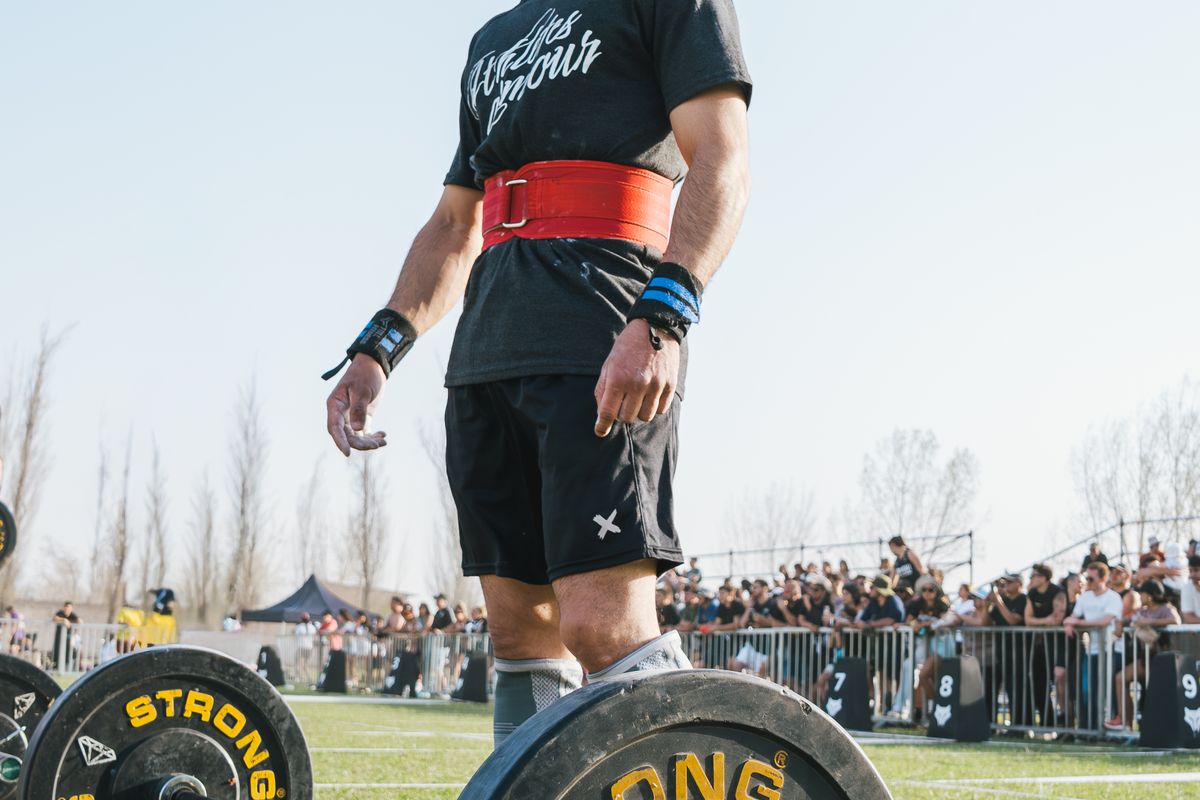
Gym goers and strength athletes. Squats, deadlifts, and overhead presses put enormous pressure on the spine. A wide adjustable lumbar support with rigid stays keeps the core tight under load and is a standard part of any serious lifter's kit.
People returning from a minor strain. Once your clinician has cleared you to move, a brace bridges the gap between resting too much and doing too much. It provides confidence so you can walk, lift light objects, and resume normal life without constant fear of re-straining.
Seniors and anyone managing chronic stiffness. As core muscles weaken with age, even small daily tasks can become uncomfortable. A breathable, easy-to-fasten brace offers gentle support for gardening, cooking, and walking without feeling restrictive.
Types of Back Braces and How They Differ
Walk into any pharmacy or scroll any online store and you will see a wall of options. Most fall into three broad categories, and knowing the difference is the fastest way to narrow the field.
1. Soft Elastic Braces (Light Compression)
These are flexible neoprene or knit wraps that provide mild compression around the waist. They are best for desk workers, mild everyday discomfort, and posture reminders. They breathe well, sit flat under clothing, and are easy to put on without help. The trade-off is limited structural support: they will not protect you during heavy lifting.
2. Semi-Rigid Braces (Dual Strap with Stays)
These are the most common type and the best all-around choice for most people. A semi-rigid brace combines a flexible base with vertical stays (usually plastic or spring steel) and often a second outer compression strap. The stays keep the belt from rolling and limit excessive forward flexion, while the dual-strap system lets you fine-tune the pressure for sitting versus standing versus lifting. The IYDoaMea Back Brace for Lower Back Support and the Copper Back Brace with Lumbar Support Belt both sit in this category.
3. Reinforced Lifting Belts (Rigid or Thick Foam)
These are purpose-built for heavy lifting in the gym, warehouse, or trade work. They are typically 4 to 6 inches wide at the back, made of thick leather or dense foam, and fasten with a single heavy buckle. They are not designed for all-day wear and will feel uncomfortable if you try to sit in one for hours. If your main use case is the gym, a proper lifting belt is the right tool.
The Best Back Braces for 2026: Our Top Picks
Below are the IYDoaMea braces we recommend for the most common back support situations in 2026. Each one is designed to be worn over a thin shirt, fits under most clothing, and is adjustable enough to share between multiple household members.
Best Overall: IYDoaMea Adjustable Lumbar Support
Our flagship Adjustable Lumbar Support at $39.99 is the belt we recommend to most people. It pairs a breathable knit base with four vertical support stays, a removable lumbar pad for focused pressure, and a dual-strap closure that lets you micro-adjust the compression as you move between sitting and standing. The stays keep the belt from rolling down at the waist, and the wide back panel covers the L3 to L5 zone where most everyday strain shows up. It works for desk workers, weekend lifters, and anyone in between.
Best for Daily Lower Back Comfort: IYDoaMea Back Brace for Lower Back Support
The Back Brace for Lower Back Support at $32.99 is a streamlined version focused on all-day wear. It uses a lightweight mesh base with two flexible stays and a single wide compression strap, making it one of the lowest-profile options in our line. If you want a brace that disappears under a dress shirt or scrubs, this is the one to try first.
Best Budget Pick: IYDoaMea Copper Back Brace with Lumbar Support Belt
The Copper Back Brace with Lumbar Support Belt at $32.98 brings semi-rigid support to a budget-friendly price. It has two spring steel stays for stability, an anti-slip inner lining that keeps the belt in place when you bend, and a wide outer compression strap for fast adjustment. It is a strong choice if you want the structure of a semi-rigid brace without paying for premium materials.
Best for lower back-Focused Support: IYDoaMea Back Brace for lower back Support
For shoppers whose main complaint is the radiating discomfort that runs from the lower back down through the hips, the Back Brace for lower back Supportfeatures a contoured lumbar pad that sits at the L4 to L5 level. The pad distributes pressure across a wider area, and the dual-strap system lets you tighten the lower strap for focused support without over-compressing the upper abdomen. Always pair this style of brace with movement and professional research guidance, not as a standalone solution.
Best Ergonomic Everyday Wear: IYDoaMea Ergonomic Lower Back Support
The Ergonomic Lower Back Support is designed for people who want something between a soft wrap and a full semi-rigid belt. The ergonomic curve follows the natural shape of the lumbar spine, the inner lining is soft against the skin for long wear, and the closure is a single wide hook-and-loop strap for fast on and off. It is a good match for older adults, anyone with a shorter torso, and people who find standard belts roll up on them.
Cross-Reference: Posture and Knee Braces
Lower back strain and posture weakness often go together, so if you find yourself slouching at your desk even with a lumbar belt, consider pairing your back brace with a posture corrector. The Adjustable Posture Corrector at $33.99 and the Adjustable Posture Corrector Brace at $30.99 both work over a thin shirt and add upper-back support that complements a lumbar belt. For shoppers who also need joint support during activity, our Knee Compression Sleeve for Everyday Support pairs well with a back brace for people who walk, lift, or stand for long shifts.
How to Fit and Wear a Back Brace Correctly
Even the best brace will feel uncomfortable if it is fitted wrong. Follow these steps every time you put yours on.
- Measure your waist. Use a soft tape at the navel level, not at the hip line. Most of our braces are sized by waist circumference rather than pant size, so this step matters more than you might think.
- Wear it over a thin shirt. A fitted cotton or moisture-wicking layer keeps the brace from chafing and absorbs sweat. Avoid thick sweaters that keep the brace from gripping properly.
- Position the lumbar pad first. If your brace has a removable pad, center it over the lower spine (the L4 to L5 area). The wide part of the brace should sit just above the tailbone.
- Fasten the main strap snug, not tight. You should be able to take a full deep breath. If you cannot, the brace is too tight and will be uncomfortable for long wear.
- Tighten the secondary strap for activity. Pull the outer compression strap a notch tighter for heavy lifting, and loosen it back when you sit down.
- Limit continuous wear to 2 to 4 hours at a time. The goal is support during activity, not constant dependency. Take breaks to let your core muscles do their own work.
Common Mistakes to Avoid When Shopping for a Back Brace
Most of the returns and complaints we see come down to a handful of avoidable errors. Keep these in mind before you click buy.
Choosing by pant size instead of waist measurement. A medium in pants is not always a medium in a brace. Always measure your waist at the navel and compare against the size chart.
Buying a rigid lifting belt for desk wear. A thick gym belt will feel like a torture device after an hour in a chair. Match the belt to the activity, not the other way around.
Wearing it too tight. If the brace restricts your breathing or leaves red marks, loosen it. The right fit feels like a firm handshake, not a vise.
Wearing it 24/7. Overuse can lead to core muscle weakness over time. Use the brace during the activities that strain your back and take it off for casual movement.
Skipping movement entirely. A brace supports your back, but it does not replace exercise, stretching, or ergonomic setup. Pair your brace with daily walking, light core work, and a workstation that fits your body.
Final Thoughts: The Right Back Brace for Your 2026 Routine
The best back brace is the one you actually wear. For most people in 2026, that means a semi-rigid belt with breathable materials, adjustable compression, and a low enough profile to disappear under everyday clothing. The IYDoaMea Adjustable Lumbar Support is our top all-around pick, while shoppers on a tighter budget will find strong value in the Copper Back Brace with Lumbar Support Belt.
Browse the full back brace collection to compare every option, or pair a brace with our posture correctors for a complete upper-body support setup. If you are shopping for a wider support routine, the full IYDoaMea support catalog also covers knee braces, arch support insoles, and compression sleeves for every part of the body.
Whichever brace you choose, remember that it is a support tool, not a standalone solution. Pair it with daily movement, good lifting technique, and a workspace that supports your spine, and you will get far more out of it than the belt alone could ever deliver.
Frequently Asked Questions About Back Braces
Related Buying Guides
Looking for support in other areas? These guides cover our most popular categories:
- Best Posture Corrector 2026: The Buyer's Guide & Top Picks
- Best Knee Brace 2026: The Complete Buyer's Guide for Daily Support
- Arch Support Insoles: The Complete Guide to Healthier Feet, Better Posture and Easy Movement
- Best Wrist Brace 2026: Buyer's Guide for Comfort & Support
- Best Ankle Brace 2026: Complete Buyer's Guide & Top Picks
- Best Shoulder Brace 2026: A Rotator Cuff Buyer's Guide
How long should I wear a back brace each day?
Most people benefit from wearing a back brace for 2 to 4 hours at a time during activities that strain the lower back, such as heavy lifting, prolonged sitting, or standing for long shifts. Continuous all-day wear is not recommended because it can lead to core muscle weakness over time. Take breaks between sessions to let your own muscles do their job.
Will a back brace weaken my core muscles?
A back brace will not weaken your core on its own, but wearing it constantly without doing any strengthening exercises can lead to muscle deconditioning over time. The best approach is to use the brace as a tool during stressful activities while also walking daily and doing light core work like bridges and bird-dogs.
Can I wear a back brace while exercising?
Yes, light to moderate exercise while wearing a back brace is generally safe and can actually help you maintain better form during lifts, walks, and stretches. Avoid wearing a heavy rigid lifting belt for exercises that do not load the spine, such as stationary biking or yoga, where a soft belt or no belt is the better choice.
How tight should a back brace be?
A back brace should feel snug enough to provide clear support, similar to a firm handshake, but never so tight that it restricts your breathing or causes discomfort. You should be able to take a full deep breath while wearing it. If you see red marks on your skin or feel numbness, loosen the straps immediately.
How do I choose the right size back brace?
Measure your waist at the navel level with a soft tape measure, then compare that number against the size chart on the product page. Do not rely on pant size, since pant and brace sizes rarely match exactly. If you are between sizes, most people prefer the smaller size for lifting and the larger size for all-day wear.


