


Best Knee Brace for Running in 2026: Full Buyer's Guide
Every running stride loads your knee with somewhere between four and seven times your body weight. Multiply that by a few thousand footfalls per long run, and it is no surprise that knee discomfort is one of the most common reasons runners search for extra support. A well-chosen knee brace for running can make the difference between staying on your training plan and losing weeks to forced rest.
Here is the catch: not every knee brace is designed for the same thing. A compression sleeve built for general soreness does very little for a runner who feels a sharp tug below the kneecap on every hill repeat, and a hinged brace meant for ligament recovery will feel slow and bulky on an easy five-miler. This guide walks you through the three main categories of running knee support, what each one is for, how to pick one that fits, and which features actually matter on the road.
Along the way, you will see examples from the IYDoaMea knee brace lineup, alongside tips drawn from physical-therapy resources and runner reviews, so you can match the right design to your specific situation rather than buying whatever has the most five-star reviews.
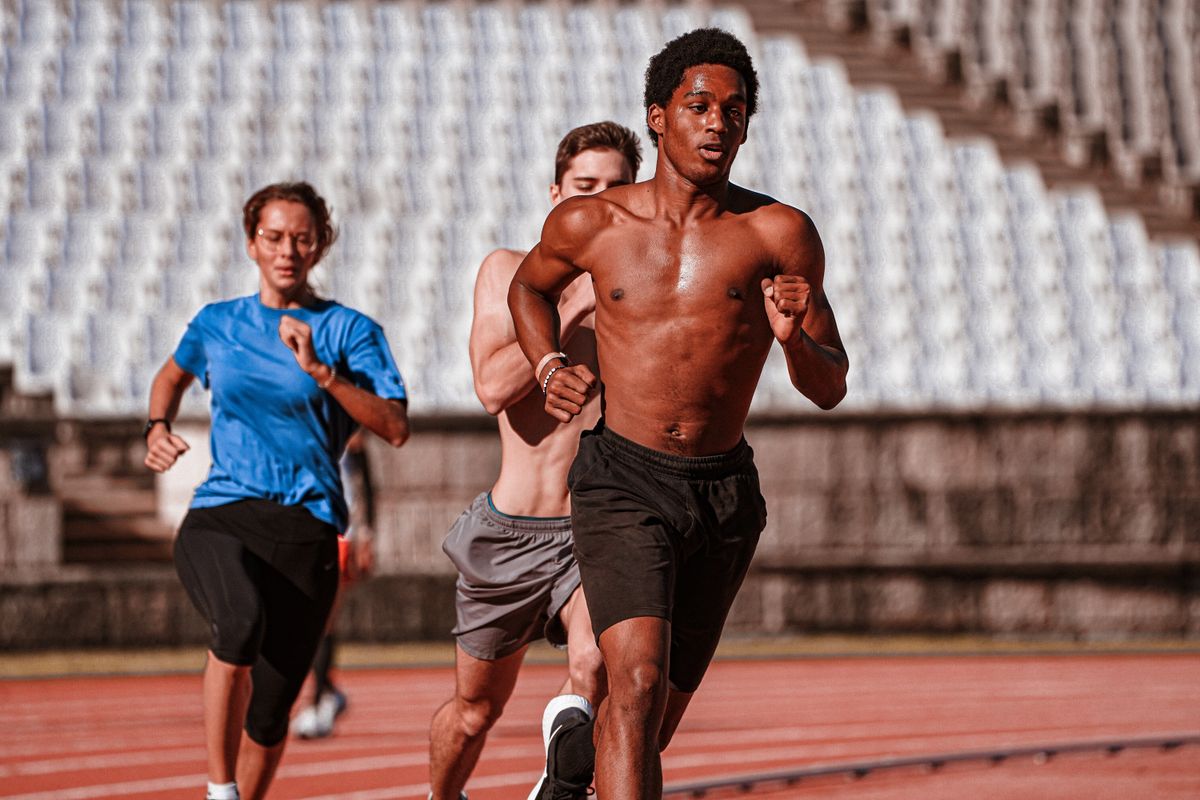
Why Runners Wear Knee Braces in the First Place
The knee is a hinge joint held together by ligaments, cushioned by cartilage, and steered by the kneecap (patella) and a web of tendons. Running is repetitive: every step is essentially a controlled single-leg squat. Over thousands of cycles, small imbalances in strength, tracking, or footwear can show up as irritation in one specific spot.
Most runners who start looking for a running knee brace are dealing with one of three common patterns:
- Patellofemoral discomfort (sometimes called "runner's knee"). A diffuse ache behind or around the kneecap, often triggered by downhill running, sudden mileage increases, or weak hip control.
- Patellar tendinopathy (jumper's knee). A sharper, more localized tenderness right at the bottom of the kneecap or in the tendon just below it. Common in runners who mix in plyometrics, hill sprints, or basketball.
- Iliotibial (IT) band syndrome. A burning or stinging sensation on the outside of the knee, usually appearing at a predictable distance on every run.
A brace does not fix any of these on its own. Strength work, form adjustments, cadence changes, and gradual load management do most of the heavy lifting. What a good running knee brace can do is add a layer of supportive compression, cue better knee tracking, or offload a tender spot so you can keep training while you address the root cause.
The Three Main Categories of Knee Brace for Running
Before you read a single review, it helps to understand the three categories that almost every running knee brace falls into. They look similar from the outside, but they are engineered for very different jobs.
Compression Sleeves
Slip-on sleeves wrap the entire knee and apply uniform pressure. They keep the joint warm, support proprioception (your brain's awareness of knee position), and can help with mild swelling or general soreness. A compression sleeve is the right starting point if your knee feels tired or mildly cranky but not unstable, and you simply want some extra confidence on easy and moderate runs.
The Copper Ions Fiber Compression Knee Sleeve is a good example of the category. It slides on like a sock, gives even compression around the joint, and is comfortable enough to wear for a full long run. Runners who want a sleeker profile for fast workouts often pair it with shorts or tights without the bulk they would get from a strapped brace.
If you want the lightest option in the lineup, the Everyday Support Knee Compression Sleeve is designed for daily wear. It is the kind of brace many runners keep in their gym bag and put on for any run that involves a little more impact than usual.
Patella Straps and Stabilizer Braces
Straps and stabilizers add structure on top of compression. A patella strap is a narrow band that wraps just below the kneecap. Its job is to apply a small, targeted amount of pressure to the patellar tendon, which can change the angle at which load hits the tendon during running. Stabilizer braces add side stays or a gel ring around the kneecap to give more guidance during the stride.
This category is the right pick when discomfort is localized in one spot rather than spread across the whole knee. If you can point with one finger to where it hurts (under the kneecap, on the side of the joint, on a single ligament), a strap or stabilizer is usually a smarter buy than a plain sleeve.
The Knee Brace with Side Stabilizers and Patella Gel Pads is a hybrid design in this category. It combines sleeve-like compression with flexible side stays and a silicone patella ring. Runners who have graduated past a thin sleeve but do not want a full hinged brace often land on this style, because it adds noticeable tracking support without the bulk.
If your knee complains mostly when you load it heavily (squatting, lunges, hill repeats), a stabilizer is also a good place to start. It pairs well with a full collection of supportive braces when you want to brace more than one joint during the same session.
Hinged Braces
Hinged knee braces have rigid or semi-rigid hinges on each side of the joint. They are designed to limit side-to-side motion, which is useful after a ligament injury or during a guided return-to-running phase prescribed by a clinician. They are usually overkill for everyday mileage and most overuse issues, and they tend to be heavier and warmer than a sleeve.
For most runners shopping for a daily-use brace, a hinged model is only worth considering if a clinician has specifically recommended one, or if you are coming back from an MCL or ACL injury and need mechanical support while you rebuild strength.
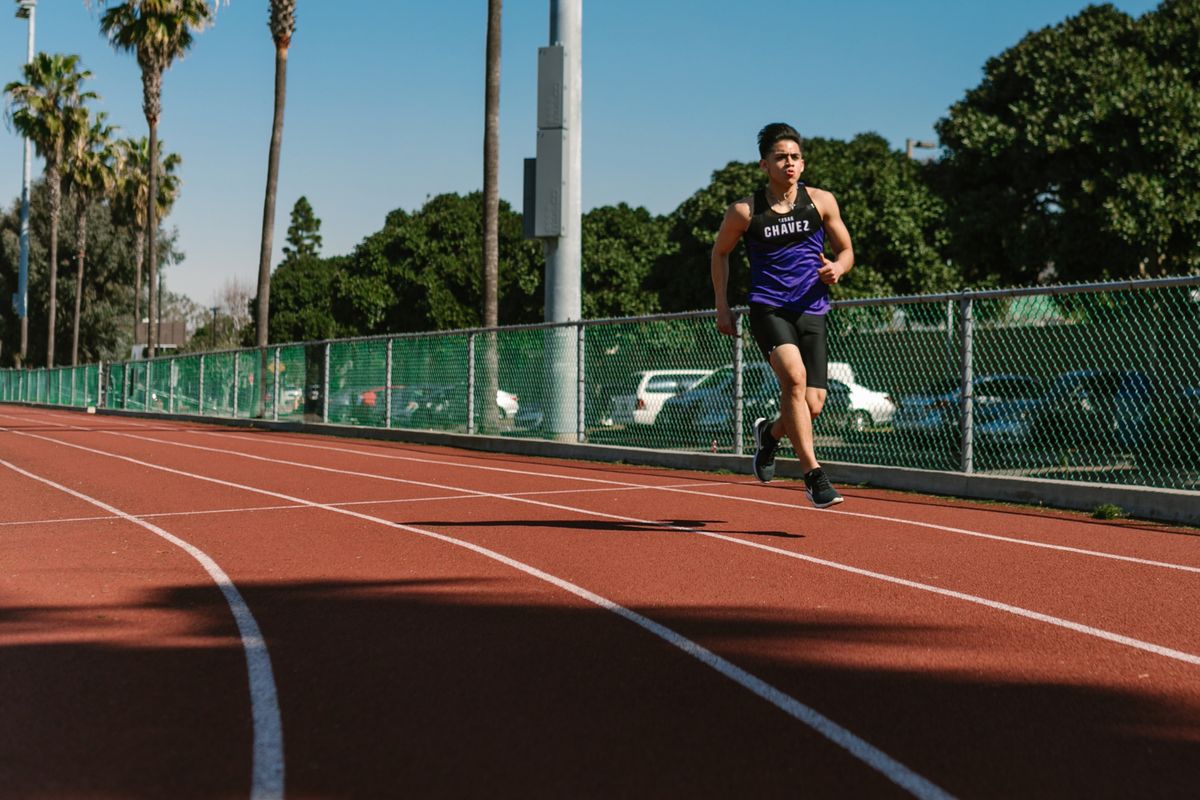
How to Choose the Right Knee Brace for Your Running
Once you know the three categories, narrowing down the right knee support for running comes down to a few concrete decisions.
Match the Brace to the Discomfort Pattern
This is the single biggest factor. If you can clearly localize the discomfort to one small spot, a strap or stabilizer usually beats a sleeve. If the ache is diffuse and muscular, a sleeve will feel more comfortable and give you better coverage. If your knee feels unstable or like it might give way, that is a sign to talk to a clinician rather than shop harder.
Skip the trap of buying the most "heavy-duty" brace you can find. Runners who wear a brace that is more supportive than they need usually end up with a sleeve they hate, because it changes their gait and creates new friction points.
Get the Sizing Right
Most compression sleeves are sized by thigh and calf circumference, not by shoe size. Measure both, follow the brand's chart, and size up if you are between sizes. A sleeve that is too small will dig in behind the knee on long runs; one that is too large will slide down within the first mile.
For strapped braces, pay attention to how the strap or stabilizer is anchored. Designs that wrap higher on the thigh or use silicone grip strips stay in place noticeably better during running.
Material and Breathability
Running generates a lot of heat. Look for knit fabrics with moisture-wicking or breathable panels, especially if you live somewhere humid or run in the summer. Neoprene-blend sleeves trap more heat and are usually better for cold-weather runs or for weight-room work.
Anti-Slip Features
The most common complaint about compression sleeves is that they roll down mid-run. Silicone grip strips at the top, contoured knitting, or dual-strap designs all help. If you have struggled with sleeves sliding down in the past, this is one feature worth paying a little extra for.
Top Knee Brace Picks for Runners Right Now
With the framework above in mind, here are the running knee braces from the IYDoaMea knee support collection that map cleanly onto the main runner profiles.
- Best everyday compression: the Copper Ions Fiber Compression Knee Sleeve for warm-ups, easy runs, and recovery days.
- Best lightweight sleeve: the Everyday Support Knee Compression Sleeve for runners who want a barely-there layer they can wear all day.
- Best hybrid support: the Knee Brace with Side Stabilizers and Patella Gel Pads for runners who have moved past a plain sleeve and want extra patella guidance.
- Best adjustable fit: the Adjustable Knee Brace for Daily Support for runners whose swelling fluctuates or who share the brace between two joints.
Runners tend to think about the knee in isolation, but the rest of the chain matters too. Tight hips and weak core control shift load onto the knee every mile, which is why so many training plans pair knee bracing with posture and core supportive wear. If you are also fighting ankle fatigue on long runs, the Copper Ankle Brace Support is a common companion. Runners logging serious weekly mileage sometimes round out their kit with Copper Wrist Compression Sleeves and High Arch Support Insoles so the entire leg stack works together.
How to Wear a Knee Brace While Running
A correctly worn brace should feel snug, supportive, and almost unnoticeable once you start running. A few small habits make a big difference.
- Put it on before you warm up. Slip the brace on about five to ten minutes before you head out, so your knee is already in a slightly warmed, slightly compressed state when your run begins.
- Center the patella opening or gel pad. If your brace has a patella ring or an opening, line it up so the kneecap sits in the middle. Misalignment is the most common cause of bunching and chafing.
- Check the two-finger rule. You should be able to slide two fingers under the fabric at the top of the sleeve. If you cannot, it is too tight. If you can slide your whole hand in, it is too loose and will slide down.
- Break it in on an easy run first. Wear any new brace on a recovery run or short tempo before debuting it on race day. Twenty minutes of easy running will reveal any fit problems without wrecking a key workout.
- Wash it after sweaty runs. Most sleeves can go in a gentle cold wash and air dry. Build-up of sweat and skin oils breaks down elasticity faster than mileage does.
If you take care of a sleeve, a good one typically lasts three to six months of regular running before the compression fades. That is also the right window to start thinking about replacement or trying a slightly different design.
Common Mistakes Runners Make With Knee Braces
Most of the bad experiences runners have with knee braces come from a handful of recurring mistakes. Avoiding them keeps the brace a helpful tool rather than a frustration.
- Wearing the wrong category. A sleeve will not give a hinged brace's stability, and a strap will not give a sleeve's full coverage. Match the brace to your complaint.
- Sizing too tight. A brace that cuts off circulation does not give more support; it just creates new problems.
- Using the brace to push through serious discomfort.A brace is a support, not a license to ignore sharp or escalating discomfort. If discomfort changes your stride, makes you limp, or worsens during the run, stop and reassess.
- Skipping strength work. Glute strength, hip control, and calf endurance do far more for knee resilience than any brace. Use the brace as a bridge, not a destination.
- Forgetting the rest of the kit. Knees do not work alone. A good shoe, supportive insoles, and core strength are part of the same project.
Putting It All Together
The best knee brace for running is the one that matches your specific complaint, fits well, and gets out of your way once you start moving. Most runners do well starting with a compression sleeve for general soreness, graduating to a patella strap or stabilizer once the discomfort localizes, and only considering a hinged brace if a clinician recommends it.
Pair whichever brace you pick with smart training: gradual mileage build, strength work for hips and glutes, and shoes that match your gait. Do that and the brace becomes a small but reliable part of a setup that lets you keep running through the inevitable bumps in a training cycle, rather than a short-term fix that masks bigger problems. You can browse the full range of IYDoaMea braces and sleeves if you want to put a complete supportive kit together at the same time.

