


Best Lumbar Support Belt 2026: The Complete Buyer's Guide
If you spend hours sitting at a desk, lifting heavy boxes, or standing through long shifts, you have probably felt that dull ache in your lower back. A quality lumbar support belt can make a real difference by providing stability and compression where you need it most. In this complete buyer's guide, we break down the best lumbar support belts for 2026, explain what features matter, and show you how to pick the right one for your daily routine.
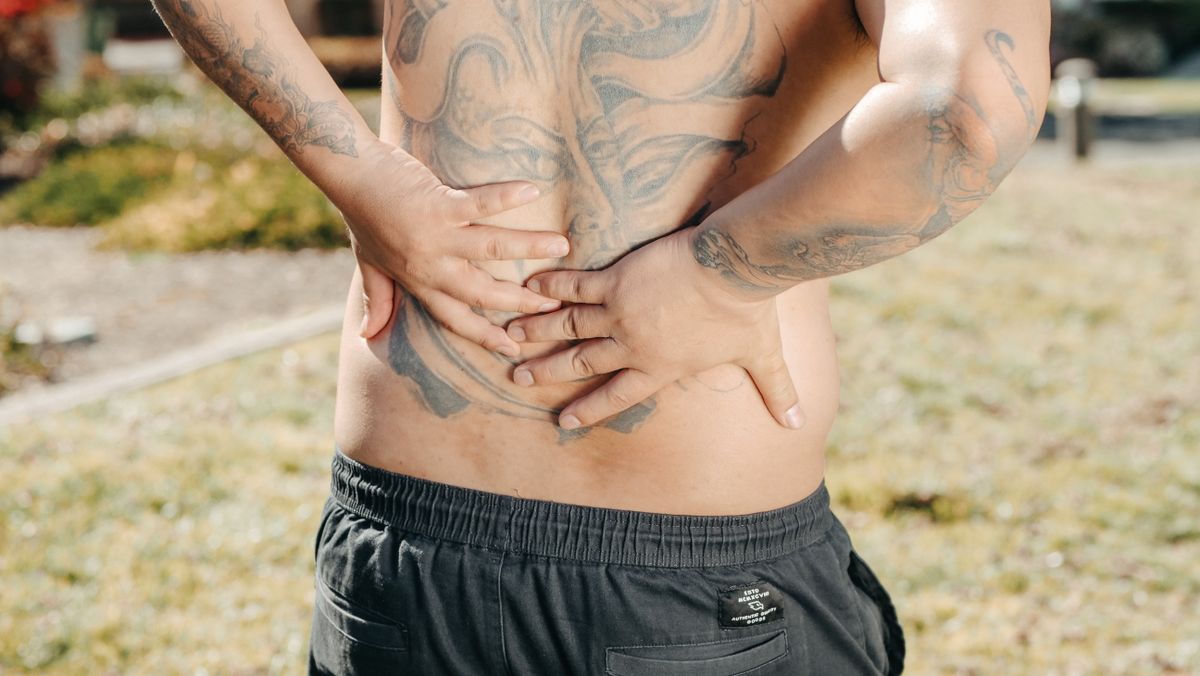
What Is a Lumbar Support Belt and Who Needs One?
A lumbar support belt is a wearable wrap designed to surround your lower back and abdomen, offering compression and structural support to the lumbar region. Unlike rigid medical braces, these belts are typically made from breathable elastic, neoprene, or mesh fabrics that move with your body while keeping your core aligned.
Who benefits most from a lumbar support belt? The short answer is almost anyone who experiences recurring lower back fatigue. Office workers who sit for eight hours a day often develop poor posture and weakened core muscles. Warehouse employees and construction workers who lift repeatedly place enormous strain on their spines. Even fitness enthusiasts performing deadlifts and squats can use a belt to maintain proper form and reduce unnecessary load on the lower back.
At IYDoaMea Sport, we design back braces for lower back support that fit seamlessly under clothing, so you can wear them at work, at the gym, or during household chores without feeling bulky or restricted.
Key Features to Look for in the Best Lumbar Support Belt
Not every belt on the market delivers the same level of comfort or support. Before you buy, consider these essential features:
Adjustable Compression
The best lumbar support belts offer dual-adjustment straps or Velcro panels that let you tighten or loosen the fit throughout the day. Compression should feel snug but never painful. Look for a belt with a wide front panel that distributes pressure evenly across your abdomen.
Breathable Materials
Neoprene provides excellent warmth and compression, but it can trap heat during summer months. Mesh-backed belts or hybrid designs with perforated panels allow airflow while still delivering firm support. If you plan to wear your belt for extended periods, breathability is non-negotiable.
Lumbar Pad or Reinforced Panel
A built-in lumbar pad made from memory foam or rigid plastic adds targeted support to the spinal column. Some belts include removable inserts so you can customize the level of reinforcement based on your activity. Our adjustable lumbar support model includes a contoured pad that aligns with the natural curve of your spine.
Size Range and Fit
A belt that is too small will dig into your hips; one that is too large will slide up or down and lose effectiveness. Measure your waist at the navel level and consult the manufacturer's size chart. Many IYDoaMea belts accommodate waists from 25 inches to 55 inches, making them suitable for a wide range of body types.
Best Lumbar Support Belt for Daily Wear
For everyday activities like commuting, grocery shopping, or walking the dog, you want a belt that is lightweight, discreet, and easy to put on. The ideal daily-wear belt provides moderate compression that reminds you to engage your core without restricting natural movement.
The ergonomic lower back support belt from IYDoaMea is a top pick for daily wear. Its slim profile hides under shirts and blouses, and the flexible side stays keep the belt from rolling up when you bend or sit. Users report that wearing it for just a few hours a day helps them maintain better posture and reduces end-of-day fatigue.
If you prefer a slightly more robust option, the copper back brace with lumbar support belt combines compression with copper-infused fabric that stays odor-free during long shifts. It is an excellent choice for nurses, teachers, and retail workers who are on their feet for hours at a time.

Best Lumbar Support Belt for Lifting and Physical Work
When your job involves repetitive lifting, bending, or carrying, your lower back absorbs a disproportionate amount of force. A heavy-duty lumbar support belt with rigid stays and a wide abdominal panel can help stabilize your core and encourage proper lifting mechanics.
The back brace for lower back support features reinforced side stays and a broad Velcro front closure that locks your midsection in place. This design is particularly popular among warehouse workers, movers, and delivery drivers who need consistent support during unpredictable physical demands.
For workers who also experience radiating discomfort along the sciatic nerve, the back brace for sciatica support offers targeted compression around the lumbar and sacral regions. The adjustable straps let you increase pressure during heavy lifts and loosen the fit during breaks.
Remember, a lumbar belt is a support tool, not a replacement for proper lifting technique. Always bend at the knees, keep loads close to your body, and avoid twisting while carrying weight. For additional lower-body stability, consider pairing your back support with a knee brace with side stabilizers to protect your joints from the ground up.
How to Wear a Lumbar Support Belt for Maximum Comfort
Even the best belt will not help if you wear it incorrectly. Follow these simple guidelines:
- Position the belt correctly. The bottom edge should rest across your hip bones, and the top edge should sit just below your rib cage. The lumbar pad should press directly against the small of your back.
- Tighten gradually. Fasten the belt loosely at first, then pull the secondary straps until you feel gentle, even pressure around your waist. You should still be able to slide two fingers between the belt and your body.
- Wear it during activity, not rest. Most experts recommend wearing a lumbar support belt during tasks that strain your back and removing it when you are sitting or lying down. This strategy keeps your core muscles engaged rather than dependent on external support.
- Layer over a thin shirt. Direct skin contact can cause irritation, especially in hot weather. A moisture-wicking base layer keeps you comfortable and protects the belt from sweat.
If you are also working on your overall posture, a posture corrector can complement your lumbar belt by pulling your shoulders back and aligning your upper spine. For upper-back and shoulder alignment, browse our full posture corrector collection.
Common Mistakes to Avoid When Buying a Lumbar Support Belt
Shoppers often make the same errors when choosing their first lumbar support belt. Avoid these pitfalls to get the most value from your purchase.
Choosing Style Over Support
A slim, minimalist belt may look great under a t-shirt, but it will not help much if you need serious stabilization for heavy lifting. Match the belt's construction to your activity level rather than its appearance.
Ignoring the Return Policy
Fit is personal. A belt that works for one person may ride up on another. Shop from a store with a clear return policy and try the belt during normal activities before committing. At IYDoaMea Sport, every product is backed by our satisfaction-focused return process, so you can test your belt with confidence.
Expecting Instant Results
A lumbar support belt is part of a long-term comfort strategy, not a quick fix. Combine it with movement breaks, core exercises, and ergonomic adjustments for the best outcome. You can explore our full range of supportive gear in the complete IYDoaMea collection.
FAQ: Best Lumbar Support Belt 2026
What is the best lumbar support belt for daily wear?
The best lumbar support belt for daily wear is lightweight, breathable, and easy to hide under clothing. Look for adjustable compression and a slim profile. The ergonomic lower back support belt from IYDoaMea is designed specifically for all-day comfort.
Can I wear a lumbar support belt all day?
Yes, but moderation is key. Most users find that wearing a lumbar support belt for 4 to 8 hours during active tasks provides the best balance of support and muscle engagement. Remove the belt during prolonged sitting or sleeping to avoid over-reliance.
What is the difference between a lumbar support belt and a back brace?
A lumbar support belt focuses compression on the lower back and abdomen for everyday stability. A back brace often includes rigid stays and covers a larger area of the torso for more intensive support. Many IYDoaMea products blend both functions. Explore our back brace collection to compare options.
Should I wear a lumbar support belt while lifting weights?
A lumbar support belt can help you maintain proper form during heavy lifts like squats and deadlifts by increasing intra-abdominal pressure. However, it should not replace core-strengthening exercises. Use the belt for your heaviest sets and train without it during lighter warm-up rounds.
How do I choose the right size lumbar support belt?
Measure your waist circumference at the navel level while standing relaxed. Compare this measurement to the manufacturer's size chart. If you are between sizes, choose the larger option and tighten the adjustment straps for a secure fit. Most IYDoaMea belts offer wide adjustability to accommodate different body shapes.
Conclusion
Finding the best lumbar support belt in 2026 comes down to understanding your daily routine and choosing a product that matches your activity level. Whether you need lightweight support for office work or heavy-duty stabilization for lifting and construction, IYDoaMea Sport offers a range of back braces and lumbar belts designed for real-world comfort.
Start with our back brace for lower back support if you want a versatile everyday option, or browse the complete back brace collection to find the perfect fit. Do not forget to protect your feet and knees too: our high arch support insoles and copper ankle brace help keep your entire body aligned from the ground up. With the right support gear, you can work, lift, and move with greater confidence all year long.


