


Posture Corrector for Women vs Men: Fit, Sizing & Key Differences
- Women's and men's correctors share the same support goal; fit differs by body shape.
- Focus on chest and bra comfort for women, stable straps for men.
- An adjustable unisex model fits most adults.
- Size by measurement, not clothing size.
Last updated: August 10, 2026 · Written by the IYDoaMea Support Team
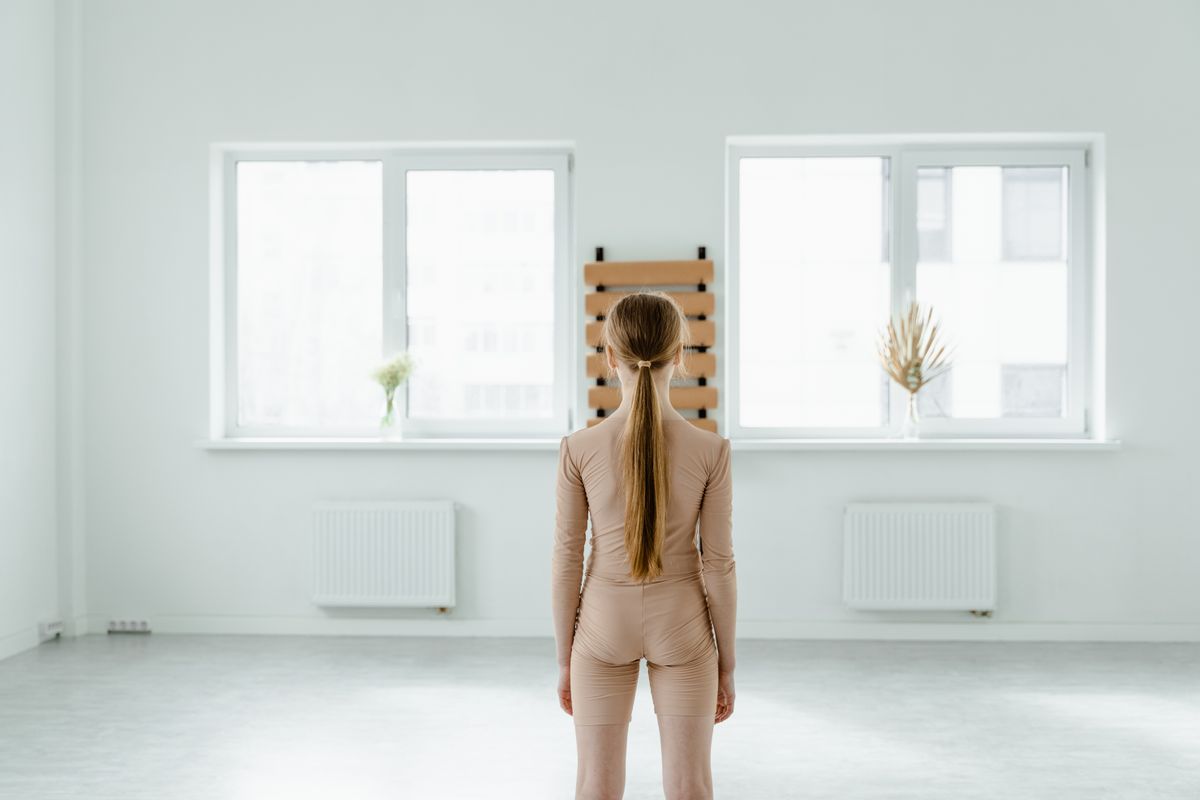
Shoppers often ask whether a posture corrector "for women" is different from one "for men." The short answer: the goal is the same — gentle reminder support that encourages straighter, more balanced posture — but fit, sizing, and a few design details differ because bodies differ. This guide explains what actually matters so you can choose without overthinking it.
Do Women and Men Need Different Posture Correctors?
Functionally, no — both want the same outcome: comfortable support that nudges shoulders back and helps you hold better alignment through the day. What changes is the fit. A corrector that fits a broad-shouldered frame well may sit differently on a smaller frame, and vice versa. Most modern adjustable designs are technically unisex; the real difference is whether the straps and panels line up with your body.
The Main Differences
- Shoulder and chest width: Men tend to have broader shoulders; women's designs often account for a narrower shoulder line and a shorter distance between shoulder and waist.
- Chest/bra compatibility: Women usually wear the corrector over or under a bra, so straps are placed to avoid digging in or creating pressure points.
- Adjustability range: A wider strap range suits more body types; many "men's" and "women's" labeled products are the same item with different sizing charts.
- Style and color: Mostly cosmetic, but it affects whether someone actually wears it daily.
Women-Specific Considerations
For many women, the deciding factor is comfort around the chest. Look for a design with straps that sit clear of the bra line, soft edges, and a slim profile that disappears under clothing. If you plan to wear it at work, a low-profile model under a blouse is ideal. Pair it with a unisex adjustable posture corrector sized to your measurements rather than guessing by "small/medium/large" alone.
Men-Specific Considerations
Men often prioritize a secure feel during activity. A broader strap and a firmer panel at the upper back can feel more stable. If you sit most of the day, focus on a model that stays comfortable through long periods rather than one built for intense training. Browse the posture corrector collection and match the sizing chart to your chest and waist.
When a Unisex / Adjustable Model Works Best
If you're between body types or buying for a household, an adjustable unisex model is usually the smart pick. The key is the adjustment range: if the straps can tighten enough and loosen enough, one design serves most adults. Reserve "women's" or "men's" specific labels for cases where standard fit clearly doesn't work.
Sizing and Fit Tips
- Measure your chest at the widest point and your waist, then compare to the brand's chart — do not rely on t-shirt size.
- Choose the smaller adjustment end if you're between sizes only if the straps have enough range to loosen later.
- Wear it over a thin shirt the first few days to check comfort against skin.
- Re-check the fit weekly; minor tightening is normal as fabric settles.
How to Wear It Correctly
Put it on over clothing, fasten the waist strap first, then adjust the shoulder straps so they gently draw the shoulders back without forcing. You should feel supported, not restricted. If breathing feels limited or skin tingles, loosen immediately. Use it as a reminder while you build stronger habits — not as a permanent brace you rely on all day.
Common Mistakes
- Buying by clothing size instead of measurements.
- Over-tightening to "fix posture faster" (it doesn't, and it causes discomfort).
- Wearing it 24/7 instead of building strength.
- Ignoring the bra-line pressure point for women.
Women vs Men: At a Glance
| Factor | Women | Men |
|---|---|---|
| Priority fit | Chest/bra comfort, narrow shoulders | Broad shoulder stability |
| Best starting point | Adjustable, low-profile | Adjustable, secure straps |
| Sizing basis | Chest + waist measure | Chest + waist measure |
| Daily wear under clothes | Yes, slim profile | Yes |
Frequently Asked Questions
Is there a real difference, or just marketing?
Mostly fit and sizing. The support goal is identical; labels reflect body-shape differences more than different technology.
Can a man wear a "women's" corrector?
If the adjustment range fits his measurements, yes. Check the sizing chart rather than the label.
Which is better for office wear?
A low-profile adjustable model in a neutral color works for anyone and stays hidden under work clothes.
Should I size up or down?
Neither — match the chart. Between sizes, pick the one whose adjustment range still fits comfortably after minor changes.
How long until it feels normal?
Most people adjust within a few days of short, consistent wear sessions.
Explore options in the posture corrector collection or read Back Brace vs Posture Corrector to compare support types.
Related Reading
- Back Brace vs Posture Corrector: Which Do You Need?
- Do Posture Correctors Really Work?
- The Complete Guide to Posture Correctors
- Shop Posture Correctors
- Orthopedic Support & Brace Comparison Guide (2026)
- Best Posture Corrector 2026: The Buyer's Guide & Top Picks
- Posture Corrector for Seniors
- Posture Corrector for Women: Does It Help? How to Choose

