

Shoulder Brace for Rotator Cuff Support: A Complete Guide
Shoulder discomfort can stop a workout, disrupt sleep, and make even simple tasks feel difficult. For many active people, athletes, and older adults, ashoulder brace for rotator cuff support is one of the most practical tools for managing day-to-day comfort while protecting the joint during recovery.
The rotator cuff is a group of four small but powerful muscles that stabilize your shoulder. It is involved in nearly every arm movement — from lifting groceries to throwing a ball. When the rotator cuff becomes irritated, strained, or partially torn, the result is often persistent aching, weakness, and limited range of motion. A well-chosen shoulder support brace can offer compression, gentle stabilization, and proprioceptive feedback to help you stay active while being mindful of the joint.
This guide explains how the rotator cuff works, what a shoulder brace actually does, the main types available, how to choose one that fits your situation, and the daily habits that keep your shoulders healthy over the long term.
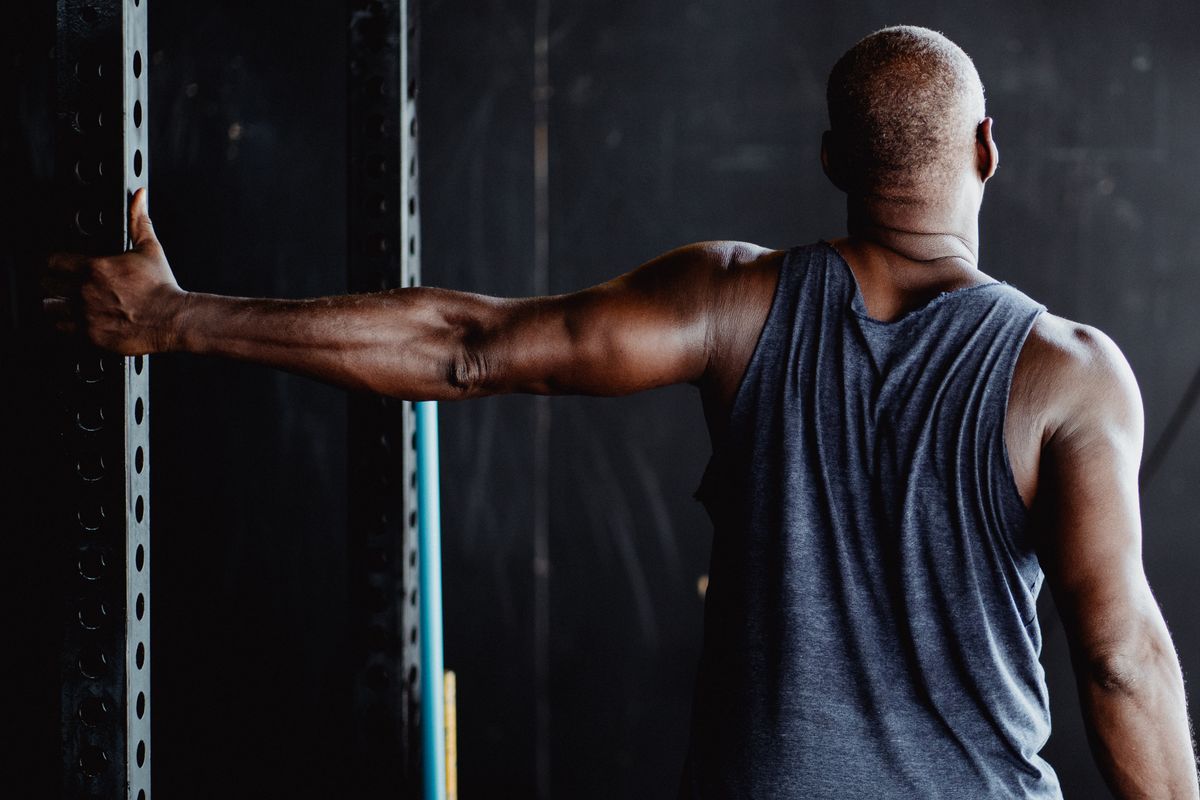
What the Rotator Cuff Does and Why It Matters
The rotator cuff is made up of four muscles — the supraspinatus, infraspinatus, teres minor, and subscapularis — and their tendons. These muscles wrap around the head of the humerus (upper arm bone) and work together to keep the shoulder joint centered in its socket while your arm moves in every direction.
Because the shoulder is the most mobile joint in the body, it sacrifices stability for range of motion. The rotator cuff is what gives that mobility a stable foundation. When any part of the cuff becomes inflamed, weak, or torn, the entire shoulder complex becomes vulnerable. Overhead movements, reaching behind the back, and even sleeping on the affected side can become uncomfortable.
Common situations that put the rotator cuff under stress include:
- Repetitive overhead activity (swimming, throwing, painting, lifting)
- Sudden heavy lifting with poor form
- Long hours at a desk with rounded shoulders
- Age-related tendon degeneration (most common after age 40)
- Direct trauma from a fall or collision
Recognizing early warning signs — stiffness in the morning, a dull ache when reaching overhead, or a feeling of weakness when lifting — can help you act before a small strain becomes a more significant issue. If your shoulder discomfort is paired with upper-back tension, a posture corrector for men and women can help restore healthier alignment while you address the rotator cuff itself.
How a Shoulder Brace Helps the Rotator Cuff
A shoulder brace does not replace proper rehab or professional research guidance, but it can support the joint in several meaningful ways:
- Compression and warmth. Gentle compression around the joint increases blood flow, which can help reduce swelling and stiffness. Many users find that the warmth from a snug-fitting brace soothes everyday discomfort during work, driving, or sleep.
- Stabilization and joint awareness. A brace reminds the shoulder to stay within a safer range of motion. For athletes returning from a strain or workers who repeatedly reach overhead, this proprioceptive feedback is often more valuable than full immobilization.
- Posture support. Slouched and rounded upper-back posture shifts the shoulder forward, increasing strain on the rotator cuff. Some braces are designed to gently pull the shoulders back, complementing the work of an upper-body posture corrector brace. Pairing a shoulder brace with a daily posture corrector can reinforce healthier alignment throughout the day.
- Load sharing during activity. For people who lift weights, play tennis, or swim regularly, a compression shoulder brace can take a small amount of stress off the inflamed tendon during heavy sets, allowing you to train around an issue rather than stop completely.
- Confidence to move.discomfort and stiffness often lead to guarding — avoiding certain movements entirely. That guarding can quickly weaken the surrounding muscles. A brace that offers just enough support lets many people return to gentle activity sooner, which is widely considered important for healthy recovery.
If your shoulder discomfort travels down into the upper back or between the shoulder blades, a lower back support brace or copper back brace with lumbar support can complement your shoulder routine by addressing the thoracic tension that often accompanies rotator cuff strain.

Different Types of Shoulder Braces Explained
Not all shoulder braces serve the same purpose. Understanding the main categories helps you match the brace to your specific stage and situation.
Compression Shoulder Sleeves
These are lightweight, pull-on braces made from breathable knit fabric or neoprene. They provide mild compression and warmth without restricting motion. Compression sleeves are ideal for:
- Mild tendinitis and muscle soreness
- Chronic shoulder tightness from desk work
- Light workouts and recovery between training sessions
- Wearing under clothing throughout the day
Functional Stabilizer Braces
These braces combine a sleeve with adjustable straps that cross the chest and back. They allow for customized levels of restriction and are good for moderate injuries, post-acute rehab, and situations where you need support but still want functional movement. Many athletes and active adults prefer this style for gym work and sports.
Posture and Alignment Braces
A posture-focused shoulder brace gently pulls the shoulders back into alignment, encouraging healthier upper-back positioning. It is most useful for people whose shoulder discomfort is closely tied to slouching and forward shoulder posture. Combining this style with a daily posture corrector collection option or a wrist sleeve collection pick creates a stronger support for long-term shoulder health.
Abduction Slings and Immobilizers
These are prescribed after surgery or for acute injuries that require strict protection of the joint. They hold the arm away from the body at a specific angle and are typically worn for several weeks under medical supervision. This style is not a "fitness" brace and should only be used as directed by a clinician.
For everyday support, most people find that a well-designed compression or stabilizer brace offers the best balance between comfort and effectiveness. Explore our shoulder brace lineup to compare options designed for different stages and activity levels.
How to Choose the Right Shoulder Brace
The right brace depends on what you need it to do. Consider these factors before buying:
- Activity level. If you need a brace for daily wear and light movement, choose a soft compression sleeve. If you plan to lift weights or play sports, look for a stabilizer with adjustable straps and reinforced stitching.
- Fit and adjustability. A brace that is too tight can restrict circulation, and one too loose will slide around without providing real support. Adjustable straps let you fine-tune compression as swelling changes throughout the day.
- Material and breathability. For all-day wear, choose moisture-wicking fabric that reduces skin irritation. Neoprene offers warmth and compression for shorter sessions, while knit materials breathe better for extended use.
- Bilateral design. Many shoulder braces are designed to be worn on either the left or right shoulder, which is useful if you occasionally need support on the opposite side.
- Skin sensitivity. Look for soft edges and tag-free construction if you have sensitive skin or plan to wear the brace directly against the body for long periods.
If you deal with shoulder discomfort along with lower-back or knee issues — common in people who stand for long periods at work — a comprehensive support approach can be more effective than supporting each joint separately. For example, pairing a shoulder brace with a supportiveadjustable knee brace for daily support and a copper compression knee sleeve creates a foundation of joint support throughout the body.
When (and When Not) to Wear a Shoulder Brace
A shoulder brace is a support tool, not a substitute for professional care. Here are some guidelines:
- Wear it during activities that put the shoulder at risk: lifting, sports, long drives, or repetitive work.
- Wear it for short periods during the day to manage swelling or discomfort, especially after activity.
- Use it at night only on the advice of a clinician. Some people sleep better with light compression; others find a brace uncomfortable in certain sleeping positions.
Do not rely on a brace to compensate for poor movement patterns. Bad lifting form will still overload the shoulder — the brace simply helps you stay aware of your limits while you correct those patterns.
Stop using a brace and consult a clinician if you notice increased discomfort, numbness, swelling, or skin irritation. These signs mean the fit or support level is not right for you. If you also rely oncopper wrist compression sleeves for related repetitive-strain discomfort, the same rule applies: the brace should support your movement, not replace attention to the underlying cause.
Daily Habits That Protect Your Rotator Cuff
Bracing is one piece of the puzzle. Long-term shoulder health depends on a few consistent habits:
- Strengthen the cuff with light resistance. A simple resistance band — used for external and internal rotations — is one of the most effective tools for keeping the rotator cuff strong. Two short sessions per week are usually enough.
- Stretch the chest and upper back. Tight pectoral muscles pull the shoulders forward, which overworks the small rotator cuff muscles. A doorway pec stretch done daily helps restore balance.
- Keep your upper back mobile. Thoracic mobility drills, such as seated cat-cow and foam roller extensions, take pressure off the shoulder during overhead work.
- Improve daily posture. Many shoulder issues begin with how we sit at a desk, drive, or use a phone. Combining a shoulder brace with a posture corrector collection brace for everyday wear encourages healthier alignment over time.
- Warm up before activity. Five minutes of arm circles, band pull-aparts, and light rows dramatically reduces strain on the rotator cuff during sports or lifting sessions.
- Support your foundation. Strong hips, a stable lower back, and healthy knees (try a knee compression sleeve if you stand a lot at work) help your upper body distribute load more evenly. Browse the full IYDoaMea support collection for braces that cover the entire body.
Conclusion
A shoulder brace for rotator cuff support is most useful when it is matched to your specific situation and used as part of a broader plan that includes posture work, strengthening, and smarter movement. Whether you are managing everyday stiffness, returning to the gym after a strain, or supporting an active parent's recovery, the goal is to help you move with comfort while giving the rotator cuff the support it requires.
If you are looking for a comfortable, adjustable brace designed for rotator cuff support, the IYDoaMea Shoulder Brace for Rotator Cuff Support offers compression and an adjustable fit that can be worn during daily activities, light workouts, and recovery periods. Pair it with the adjustable lumbar support or the back brace collection to build a more complete shoulder-care routine that supports your upper back as well as your shoulder.
Frequently Asked Questions
Related Reading
How long should I wear a shoulder brace each day?
For everyday support, most people wear a compression brace for 2 to 6 hours during their most active periods. During rehab, follow the guidance of your clinician — typically wearing it during risky activities and removing it for gentle range-of-motion exercises.
Can I sleep in a shoulder brace?
Light compression can be comfortable for some sleepers, especially side sleepers who need a buffer between the shoulder and the pillow. However, sleeping in an immobilizer-style brace should only be done under professional guidance.
Will a shoulder brace weaken my muscles?
Used appropriately, a brace does not weaken the shoulder. Weakening typically happens when a brace is worn for long, continuous periods without any movement. Removing the brace for prescribed exercises keeps the surrounding muscles strong.
How do I know if I need a brace or a doctor's visit?
Mild stiffness and soreness after activity often respond well to self-care and a brace. If you cannot lift your arm at all, feel sudden weakness, or have discomfort after a fall or impact, see a clinician before relying on a brace.
What is the best shoulder brace for rotator cuff support?
The best brace depends on your activity and injury stage. For most people with mild-to-moderate discomfort, a compression sleeve or stabilizer brace with adjustable straps offers a good balance of comfort and support. Our shoulder support collection includes options for different needs.


