


Compression Sleeves for Athletes: A Complete Guide
If you have ever watched a basketball game, a marathon, or a CrossFit competition, you have probably noticed one piece of gear showing up again and again: compression sleeves. Athletes at every level swear by them for support, circulation, and faster recovery. But what does the science actually say, and how do you choose the right sleeve for your sport?
Compression sleeves are designed to apply graduated pressure to a specific part of the body, usually an arm, knee, calf, or ankle. Unlike braces that restrict movement, sleeves work by squeezing muscles and soft tissue just enough to support them without limiting range of motion. The right sleeve can make long training sessions more comfortable and reduce the muscle fatigue that builds up over hours of activity.
This guide breaks down how compression sleeves work, what benefits athletes actually experience, how to pick the right fit, and which iydoamea sleeves fit common training needs. Whether you run, lift, play team sports, or just stay active on your feet all day, you will find practical guidance you can apply to your own routine.
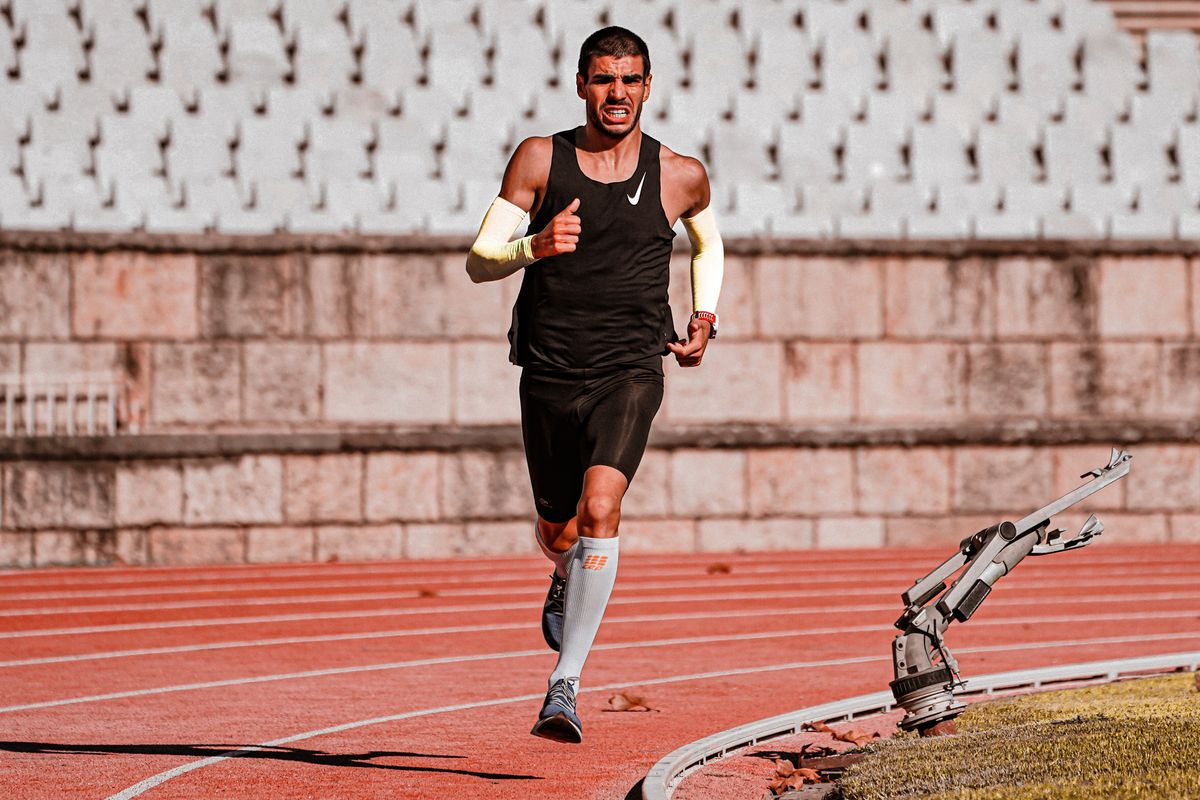
How Compression Sleeves Work
The basic principle behind compression wear is simple: gentle, graduated pressure on a limb helps push blood back toward the heart. Sleeves are tightest at the wrist or ankle and gradually loosen as they move up the arm or leg. This gradient supports circulation without cutting off flow, which is the opposite of how a tourniquet works.
When circulation improves, more oxygen-rich blood reaches working muscles. Waste products like lactic acid clear out faster. Swelling drops because less fluid leaks from small blood vessels into surrounding tissue. The Cleveland Clinic notes that compression therapy is widely used to manage swelling, support venous return, and improve comfort during long periods of standing or sitting.
A second benefit is mechanical. Compression sleeves hold muscles and soft tissue in place, reducing the small vibrations that happen with every step, throw, or lift. Less vibration means less microscopic muscle damage, which translates to less soreness after tough workouts. Many lifters also report better proprioception, meaning they have a clearer sense of where their joints are in space, which can support form during heavy movements.
Graduated Pressure vs. Uniform Pressure
Quality compression sleeves use graduated pressure rather than uniform squeezing. The difference matters: a sleeve that is tightest at the wrist or ankle and loosens as it climbs the limb encourages blood to flow back toward the heart. A sleeve that is tight everywhere can actually restrict flow at the top opening and create discomfort. When shopping, look for brands that describe their compression level in mmHg (millimeters of mercury) and that use the term graduated.
Benefits Athletes Actually Notice
Marketing claims around compression wear can be exaggerated, but several benefits show up consistently in both research studies and athlete feedback. Here is what you are most likely to notice when you start wearing sleeves regularly.
Reduced muscle fatigue during long sessions. Runners, basketball players, and cyclists often report that their legs or arms feel fresher later in a session when they wear sleeves. The mechanism is the reduced vibration and improved circulation described above. For events lasting more than an hour, this effect tends to be most pronounced.
Less post-workout soreness. Delayed onset muscle soreness (DOMS) is the stiffness you feel 24 to 72 hours after a hard workout. Compression sleeves worn during and for two to three hours after activity have been shown in multiple studies to reduce DOMS compared to working out without them. The benefit is moderate, not magical, but real.
Better joint awareness and form. Sleeves give your skin and muscles constant feedback about limb position. Many lifters say this helps them feel their knees tracking correctly during squats or their elbows staying aligned during pressing movements. This proprioceptive benefit is hard to measure but easy to notice in practice.
Support during repetitive motion. Tennis players, baseball pitchers, and golfers put their elbows and forearms through hundreds of similar motions per session. A compression sleeve supports the forearm muscles and tendons, which can help you stay comfortable during high-rep training days.
Choosing the Right Compression Sleeve
Not all compression sleeves are built the same. The right sleeve for you depends on which body part you want to support, what sport you play, and how much pressure feels comfortable. Here are the most important factors to weigh.
Match the Sleeve to the Body Part
Sleeves are designed for specific limbs. A adjustable knee brace supports the knee joint with adjustable straps, which works well when you need targeted stability around the kneecap. A sleeve-style copper knee sleeve or compression knee sleeve provides lighter compression across the entire knee and is better for everyday wear during running or training. For the ankle, a sleeve-style copper ankle brace wraps the joint without bulk, which fits easily inside most athletic shoes.
Pick the Right Compression Level
Compression is measured in mmHg. For everyday athletic use and recovery, 15 to 20 mmHg is the standard range. For more structured support during heavy training or for managing mild swelling, 20 to 30 mmHg is common. Compression above 30 mmHg is generally considered research grade and is usually prescribed by a clinician.
Most people new to compression should start in the 15 to 20 mmHg range and only step up if they feel they need more support. A sleeve that feels too tight will be uncomfortable, may cause skin irritation, and could limit circulation rather than help it.
Look for Breathable, Moisture-Wicking Fabric
Sweat-wicking nylon-spandex blends are the most common choice because they stay light, dry quickly, and keep their elasticity over time. Cotton blends are softer but hold moisture, which makes them less suitable for intense training. If you plan to wear sleeves for long shifts on your feet or during travel, fabric choice makes a big difference in comfort.
Get the Right Size
Compression only works if the sleeve fits. Measure the circumference of your limb at the widest point (calf, thigh, forearm, or ankle) and compare it to the brand sizing chart. A sleeve that is too small will be uncomfortable and may cut off circulation. A sleeve that is too large will slide down during movement and provide little benefit. Most brands publish sizing guides and offer exchanges if the first fit is off.
When to Wear Compression Sleeves
Timing matters more than people realize. A sleeve worn at the wrong time is less effective, and in some cases counterproductive. Here is a practical schedule that covers the most useful windows.
During activity. Wear the sleeve while you are running, lifting, or playing. This is when reduced muscle vibration and improved circulation deliver the biggest performance benefit. Sleeves also help keep the joint warm, which is useful in cold gyms or early-morning outdoor sessions.
Immediately after activity. Keep the sleeve on for two to three hours post-workout to support recovery. This is the window when lactic acid and other metabolic waste products are still being cleared from your muscles. Some athletes also wear sleeves for short periods after very intense sessions to help muscles calm down.
During long travel. On flights or long drives, calf and ankle sleeves help keep blood from pooling in your lower legs. Put the sleeve on about an hour before departure and walk the aisle every 90 minutes when possible. This combination is a simple, evidence-based way to reduce post-travel swelling.
During long shifts on your feet. Teachers, nurses, retail workers, and warehouse staff often wear compression sleeves on their legs to reduce end-of-day fatigue and swelling. The pressure supports venous return and keeps legs feeling lighter through a full shift.
Browse the full iydoamea knee brace collection collection to find sleeves and braces for every training style, or explore the complete product catalog if you want compression options for multiple joints.
Common Mistakes to Avoid
A few simple mistakes can undo the benefits of compression wear. The good news is that they are easy to avoid once you know what to watch for.
Wearing the sleeve too tight. More compression is not always better. A sleeve that leaves deep marks on your skin or causes numbness is too tight. You want snug support, not a cutting-off sensation.
Wearing the sleeve for too long. Most athletes do not need compression 24 hours a day. After the two to three hour post-workout window, your body usually recovers fine without it. Continuous wear can sometimes cause skin irritation, especially in hot weather.
Using a knee sleeve as a brace. Sleeves provide compression and proprioceptive feedback, but they do not stabilize a joint the way a hinged brace does. If you have an acute injury or your doctor has recommended a brace, choose a structured option like the knee brace with side stabilizers instead of a simple sleeve.
Skipping warm-up because you have sleeves. Sleeves support muscles but they do not replace a good warm-up. Cold muscles with a sleeve on top are still cold muscles. Always do a dynamic warm-up before intense training, then put your sleeves on as you begin your working sets.
Wearing compression over open wounds or skin infections. Compression over broken skin can trap moisture and slow recovery. Wait until the skin is fully closed before applying compression over the area.
Compression Sleeves vs. Braces: Know the Difference
The terms compression sleeve and brace get used interchangeably online, but they describe different tools. A compression sleeve is a single piece of stretchy fabric that applies uniform or graduated pressure to the area. A brace usually has structural components like stays, hinges, or adjustable straps that physically limit how the joint moves.
If your goal is general support, warmth, and circulation during activity, a sleeve is the right tool. If you need to limit specific movements, for example after a mild injury or during heavy lifting, a brace is the better choice. For example, a adjustable lumbar support provides structured support around the lower back, which is useful during heavy lifts. A simple compression top under your gear would not offer the same targeted stability.
For shoulder work, a sleeve-style support can help with light training, but if you are managing rotator cuff discomfort during overhead pressing, a shoulder brace gives more structured support than a sleeve alone.
For athletes who sit at a desk between training sessions, a posture corrector can complement compression sleeves by supporting upper back and shoulder alignment through long workdays. Pairing the two gives you joint-specific support during activity and posture support during recovery time.
Build a Compression Kit That Fits Your Training
Most active people benefit from having two or three sleeves on hand rather than a drawer full of options. Here is a simple starter kit by training style.
Runners. A calf or shin sleeve for long runs, plus a knee sleeve for days when the knees feel tired. The knee brace collection at iydoamea has both sleeve and brace-style options so you can match the tool to the day's training.
Lifters. A knee sleeve for squat days, a wrist sleeve for pressing movements, and an adjustable lumbar support for heavy compound work. The wrist sleeve collection covers the small-joint side of the kit.
Team sport athletes. Knee and ankle sleeves are the most common picks, especially for basketball, volleyball, and soccer where lateral cuts stress the joints. Add a copper ankle brace if you have a history of ankle rolls.
Everyday active people. If you train a few times a week and spend your work hours at a desk, a posture corrector for daytime wear plus a knee sleeve for weekend hikes covers most needs. The posture corrector collection and knee brace collection pair well together.
The Bottom Line
Compression sleeves are one of the most useful, low-cost tools you can add to your training kit. They will not replace smart programming, good technique, or rest, but they do support your muscles and joints in measurable ways during activity and recovery. The key is to pick the right sleeve for the right body part, get the fit right, and wear it during the windows when it actually helps.
Start with one sleeve for the joint you stress most, wear it during your next hard session, and pay attention to how your body feels during and after. If you notice less fatigue and soreness, you have found a useful tool. If not, try a different compression level or a different style before giving up on the category entirely.
For athletes building a complete support setup, iydoamea offers compression sleeves, structured braces, and posture supports across the complete product catalog. Match the tool to the joint, get the size right, and use it during the windows that matter most.

